









Cats often show interest in the foods we eat, but not everything in our kitchen is safe for them. One of the most common questions pet parents ask is: “Can cats eat chocolate safely?” The answer is simple — no, cats should never eat chocolate. Even a small amount can be toxic and lead to life-threatening complications.
This guide explains why chocolate is dangerous for cats, what symptoms to watch out for, and what to do if your feline companion gets into this unsafe treat.
Why Chocolate Is Toxic to Cats
Chocolate contains two harmful compounds: theobromine and caffeine. Cats cannot metabolize these substances effectively, which causes toxic buildup in their system.
- Theobromine overstimulates the heart and nervous system.
- Caffeine can increase heart rate and cause restlessness or tremors.
The darker and more concentrated the chocolate, the greater the danger. Baking chocolate and dark chocolate are far more toxic than milk or white chocolate.
How Much Chocolate Is Dangerous?
There is no safe amount of chocolate for cats. Their small size and inability to process toxins mean that even a few bites can cause serious illness.
Risk levels by type of chocolate:
- White chocolate: Lowest in toxins but still unsafe.
- Milk chocolate: Moderate risk, especially for smaller cats.
- Dark or baking chocolate: Extremely toxic, even in tiny quantities.
If you suspect your cat has ingested chocolate, seek immediate veterinary attention. Clinics offering cheap vets in Abu Dhabi provide accessible options for pet owners who want quality treatment without financial strain.
Symptoms of Chocolate Poisoning in Cats
Signs typically appear within hours of ingestion and may include:
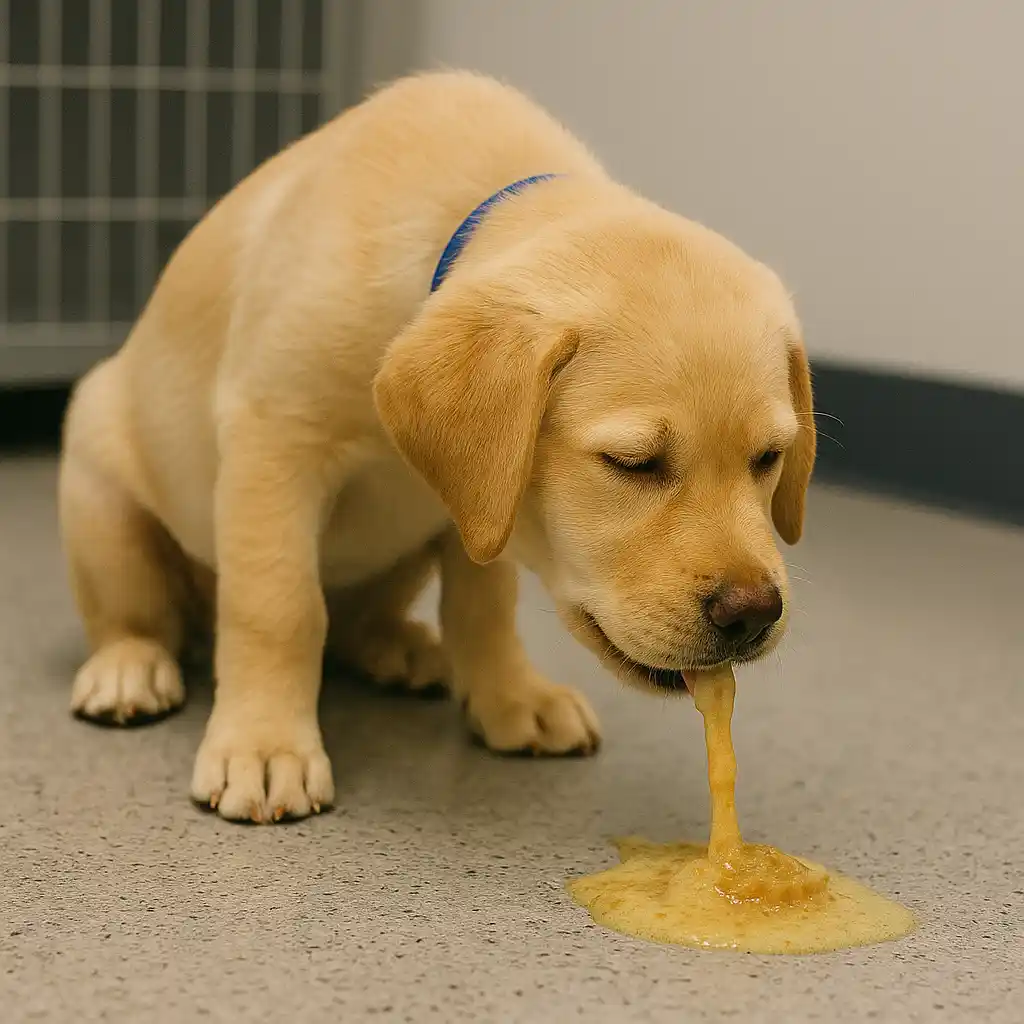
- Vomiting and diarrhea
- Restlessness or hyperactivity
- Increased heart rate
- Tremors or seizures
- Weakness or collapse
These symptoms should never be ignored. Early intervention is key to saving your cat’s life
What To Do If Your Cat Eats Chocolate
1. Call a Veterinarian Immediately
Contact your regular vet or an emergency animal hospital right away. Share details such as the type of chocolate, how much was eaten, and your cat’s weight.
2. Do Not Try Home Remedies
Inducing vomiting or using human medicines can make the situation worse. Only follow guidance from a veterinary professional.
3. Emergency Treatment at Clinics
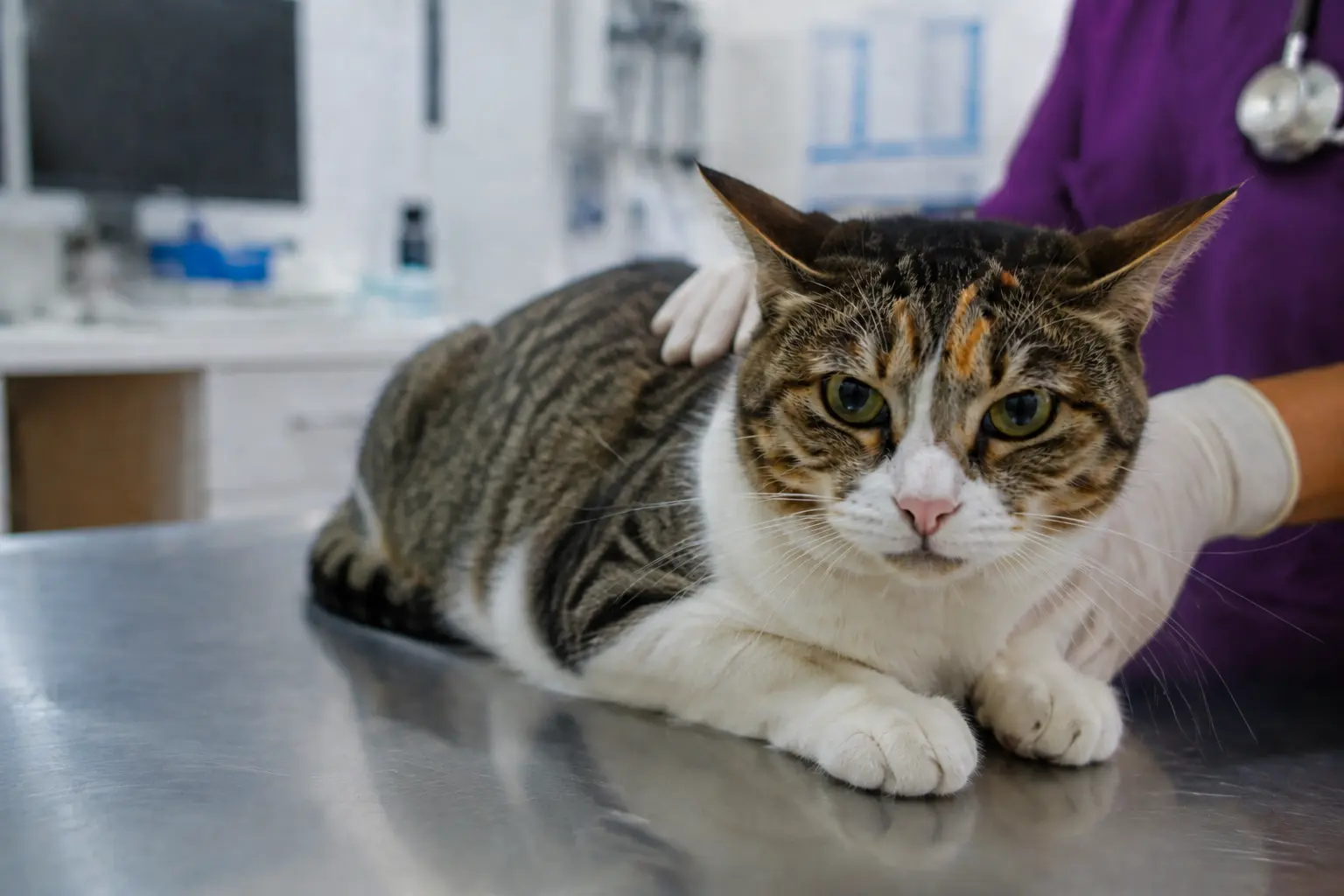
A veterinary clinic Abu Dhabi or your nearest trusted vet may use treatments like activated charcoal, IV fluids, or medication to stabilize your cat and reduce toxin absorption.
Why Cats Rarely Crave Chocolate
Unlike dogs, cats are obligate carnivores and lack taste receptors for sweetness. This means they don’t crave chocolate itself. However, their curiosity may lead them to lick frosting, chew on candy wrappers, or sneak a piece of cake — which is all it takes to cause harm.
Other Foods Toxic to Cats
Chocolate isn’t the only food that’s unsafe. Cats should also avoid:
- Onions and garlic (cause anemia).
- Grapes and raisins (cause kidney failure).
- Alcohol (toxic to the liver and brain).
- Caffeinated drinks.
Pet owners often wonder, “What Causes Rapid Weight Loss in Cats” — and sometimes it’s linked to hidden illnesses, toxin ingestion, or digestive issues, making timely veterinary checks even more important.
Preventing Chocolate Poisoning
Keeping your cat safe is easier with preventive measures:
- Store chocolate and desserts securely in sealed containers.
- Educate children and guests about the risks of giving chocolate to pets.
- Watch for hidden chocolate in baked goods, ice cream, or flavored drinks.
Instead of unsafe foods, treat your feline to play sessions, cat-safe toys, or professional services like pet grooming Abu Dhabi to keep them healthy, clean, and enriched.
Veterinary Care and Recovery
Veterinary Care and Recovery
With prompt treatment, most cats recover fully from chocolate poisoning. Recovery may involve observation at the clinic, medication to reduce symptoms, or supportive care at home under veterinary supervision.
Ongoing health checks and preventive care are crucial for long-term wellness. Building a relationship with your local vet ensures your cat’s needs are addressed quickly and effectively in emergencies.
Conclusion
So, can cats eat chocolate safely? The answer is a firm no. Chocolate contains toxic compounds that can cause anything from vomiting to seizures — and even death.
If your cat ever ingests chocolate, don’t wait for symptoms to worsen. Contact your veterinarian immediately. Prevention is always best: keep chocolate out of reach, provide safe alternatives, and rely on trusted vet clinics for expert guidance. With awareness and quick action, you can protect your cat from unnecessary danger and ensure a long, healthy, and happy life.
