








When it comes to your furry friend, accidents can happen anytime, from a small cut to something more serious. Knowing basic pet first aid tips can make the difference between life and death before you reach the vet. Whether you’re a dog parent or a cat lover,
In this Topic, I will explain how these 5 lifesaving pet first aid tips will help you stay prepared and calm in any emergency.
1.Stay Calm and Assess the Situation
The first rule of any emergency is don’t panic. Your pet can sense your stress, which might make them more anxious or scared.
Take a deep breath, ensure the environment is safe, and approach your pet slowly. If they’re in pain, they may react defensively, even if they normally trust you.
- Speak softly and gently.
- Avoid sudden movements.
- Check for breathing, bleeding, or visible injuries.
Personal Tip: I remember when my dog had a medical emergency, I immediately contacted the Pet Clinic Abu Dhabi. Their team was incredibly professional and helped us through it.
2.Learn How to Handle Bleeding or Wounds
If your pet is bleeding, quick action can prevent severe blood loss.
Here’s what to do:
- Apply direct pressure using a clean towel or gauze pad.
- If blood soaks through, place another layer on top. Don’t remove the original one.
- Keep the injured area elevated (if possible).
- Once bleeding is under control, clean the wound gently with saline or clean water.
A word of advice from our recent scare: avoid hydrogen peroxide or alcohol on your dog’s wound. I found out from an emergency vet in Abu Dhabi that these can do more harm than good. After cleaning it gently, your best bet is to get to a clinic. We went straight in, and I’m so glad we did, because they prescribed antibiotics that prevented an infection.
3.Know What to Do If Your Pet Is Choking
Pets, especially dogs, love to explore with their mouths, and sometimes, that leads to choking. If your pet is gagging, pawing at their mouth, or having trouble breathing, act quickly:
- Open their mouth carefully and look for any visible objects.
- If you see something, try to remove it gently with tweezers or your fingers, but don’t push it deeper.
- If the object is not reachable and your pet can’t breathe, perform the Heimlich maneuver.
- For small pets: Hold them upside down, applying gentle pressure to the ribcage.
- For larger dogs: Stand behind them, wrap your arms around their abdomen, and push upward firmly.
Remember, afterward, always have your vet check for internal injuries or airway irritation.
4.Handle Heatstroke Immediately
Heatstroke is one of the most common pet emergencies — especially in warmer climates.
If your pet is panting heavily, drooling, vomiting, or unsteady, they could be overheating.
Take these steps right away:
- Take your pet to a shaded or cool place.
- Offer small sips of water, not too much at once.
- Wet their fur with cool (not ice-cold) water, focusing on the paws, belly, and neck.
- Use a fan or air conditioning to lower body temperature gradually.
Even if a dog seems to recover from heatstroke, visit a vet immediately, as internal damage may not be visible. After my own scare, my groomer at Pet grooming Abu Dhabi always reminds me that a proper trim and coat care are essential for preventing overheating here.
5.Keep a Pet First Aid Kit Handy
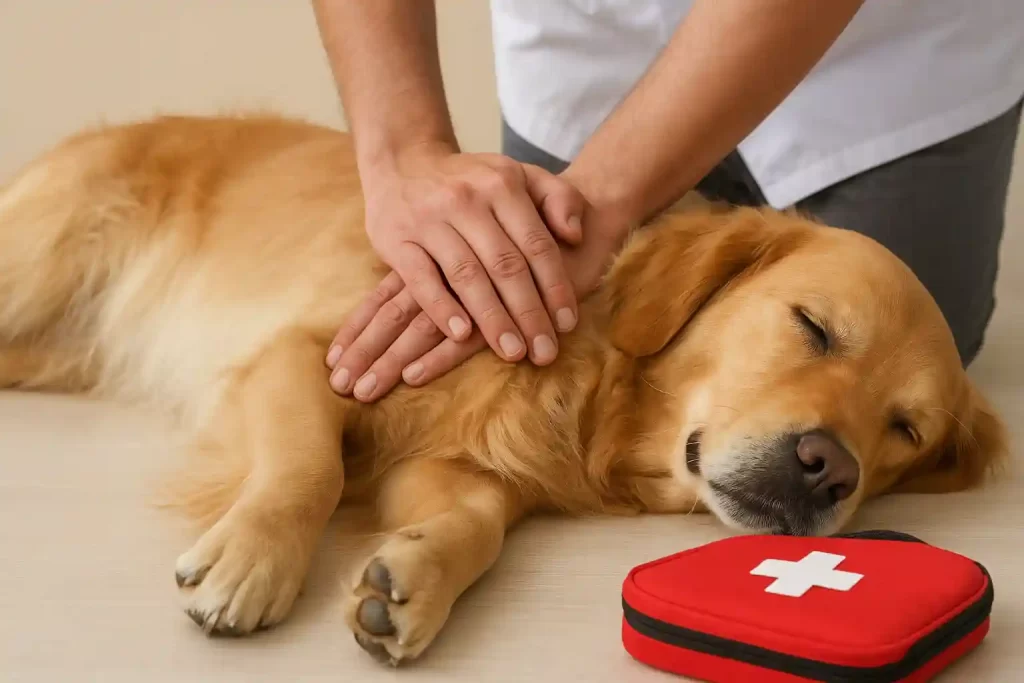
Preparation is everything. Having a well-stocked pet first aid kit can save precious minutes during an emergency.
Here’s what to include:
- Sterile gauze, bandages, and adhesive tape
- Antiseptic wipes or saline solution
- Digital thermometer
- Tweezers and small scissors
- Disposable gloves
- Emergency contact numbers (vet, animal hospital)
- Your pet’s medical records and vaccination details
Store it in an easy-to-reach place and make sure everyone in your household knows where it is.
Final Thoughts
Being a pet parent means being ready for anything. Emergencies can happen at any moment, and your quick, calm, and informed actions can truly save your pet’s life.
By learning these 5 lifesaving pet first aid tips, you’ll not only protect your furry friend but also gain the confidence to act effectively when it matters most.
And remember, first aid is just the beginning. Always follow up with your veterinarian after any emergency, whether it’s a minor injury or a critical situation where you had to save a dog from poison.