


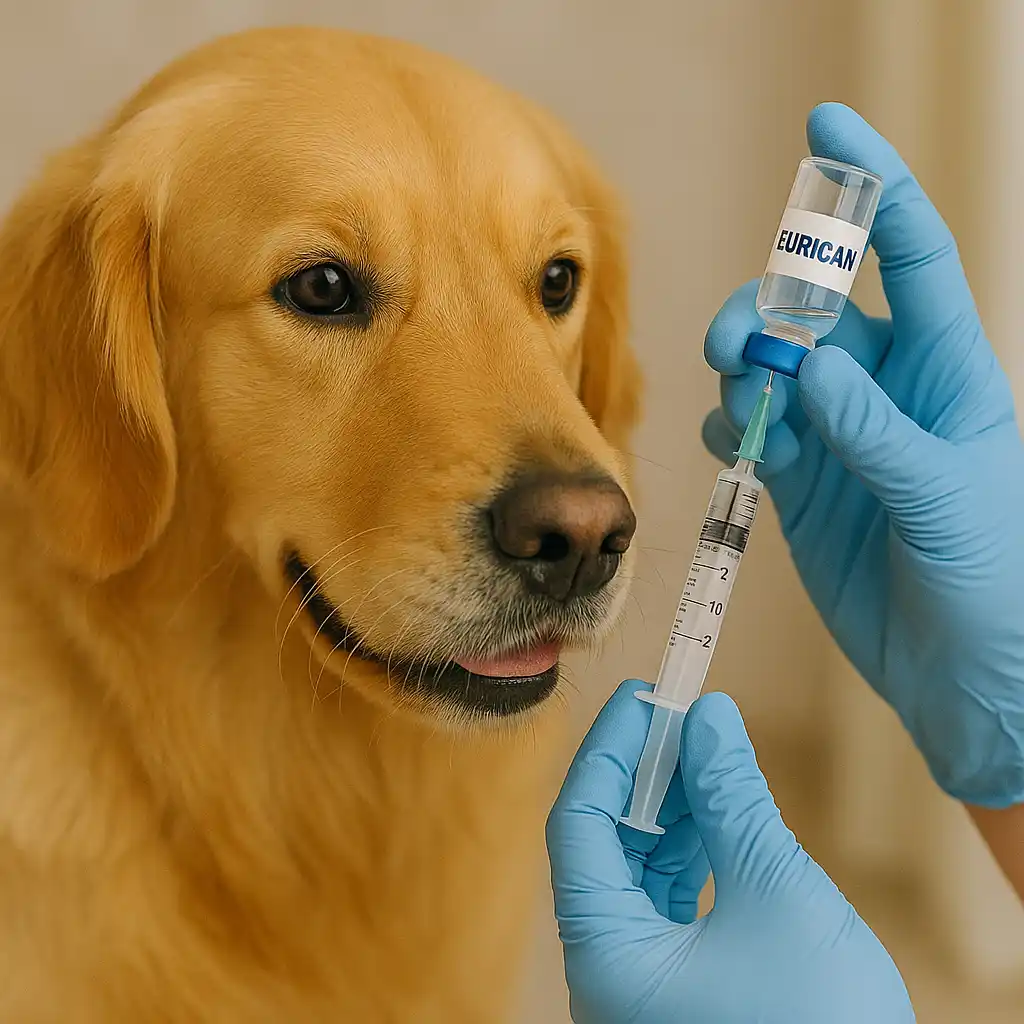






Cats are naturally curious explorers. Whether it’s sneaking into a neighbor’s yard or wandering down unfamiliar streets, it’s easy to worry about your feline friend’s safety. Many cat owners ask: Can I track my cat with a microchip? Or do I need GPS technology instead? Understanding the differences between microchips and GPS trackers is key to keeping your pet safe and giving you peace of mind.
In this guide, we’ll explore what microchips really do, whether they help with live tracking, and when GPS might be the better option.
What Is a Pet Microchip and How Does It Work?
A pet microchip is a tiny, rice-grain-sized device that’s implanted under your cat’s skin, usually between the shoulder blades. It uses radio frequency identification (RFID) technology, meaning it doesn’t broadcast your cat’s location. Instead, it holds a unique identification number linked to your contact details in a secure database.
When a lost cat is found and scanned by a vet, shelter, or animal rescue team, the microchip reveals the owner’s details so the pet can be returned.
Key Point: Microchips do not actively track your cat’s movements. They are identification tools, not GPS devices.
Can a Microchip Track My Cat’s Location?
The short answer is: No. Microchips cannot track your cat’s real-time location. They work passively and only show information when scanned.
If your cat goes missing, you’ll need someone to physically find and scan the cat to access your details. That’s why microchips are best viewed as a permanent ID rather than a tracking solution.
When Should You Consider a GPS Tracker?
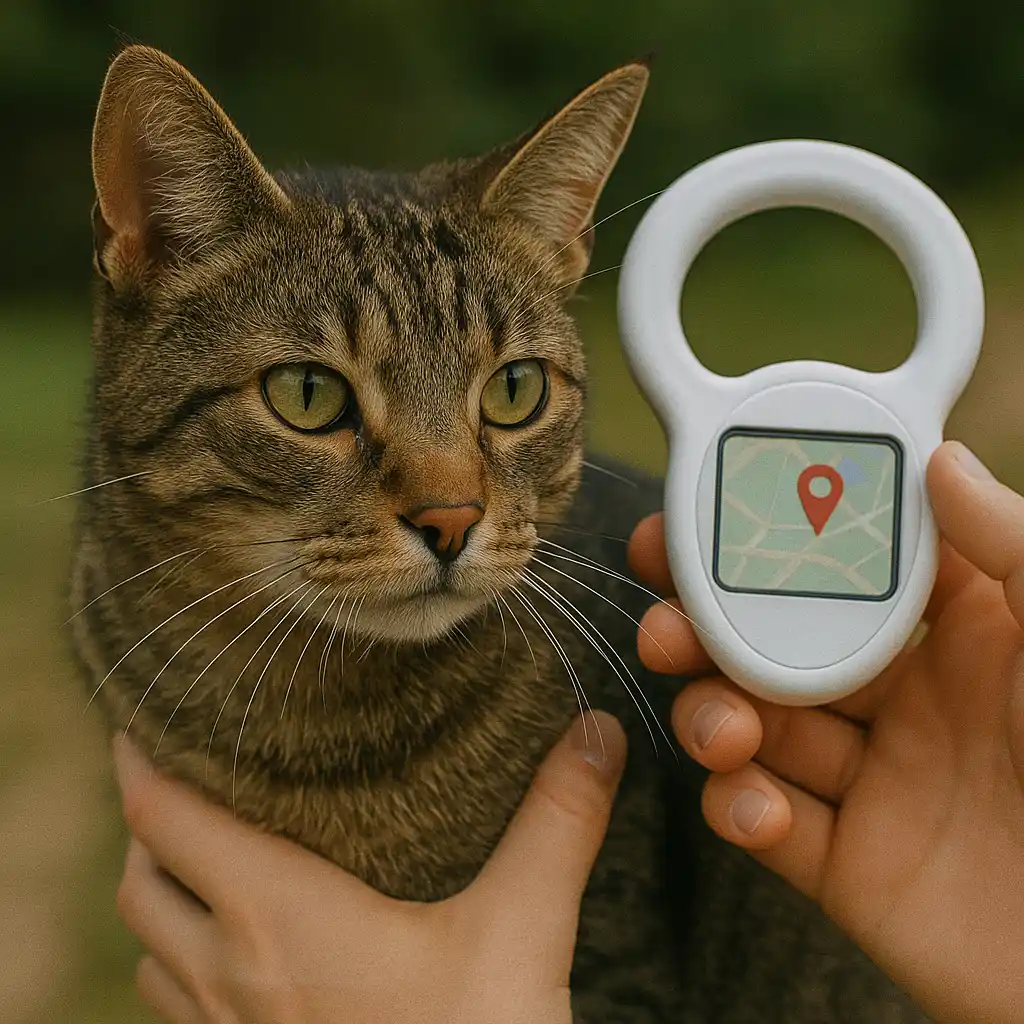
If you want to actively track your cat’s location, a GPS tracker is the better option. These devices are usually attached to your cat’s collar and connect to your smartphone through an app. With GPS, you can see where your cat is at any time, receive alerts if they leave a safe zone, and monitor their activity.
Pros of GPS Trackers:
- Real-time location updates
- Geo-fencing and alerts
- Peace of mind for outdoor cats
Cons of GPS Trackers:
- Require charging
- Depend on cellular or Wi-Fi signals
- Can be bulky for smaller cats
In short, if you need live tracking, a GPS collar is essential. A microchip alone won’t be enough.
Why Microchips Still Matter for Cat Safety
Even if GPS trackers offer real-time tracking, microchips are still an important layer of protection. Collars can fall off, batteries can die, but a microchip is permanent and reliable.
Microchips also come with additional benefits, often overlooked by pet owners. For example, they support reunification services and are recognized by most veterinary clinics worldwide. In fact, Pet Microchips Benefits highlight that microchipped pets are more likely to be returned home quickly after being lost.
Combining Microchips and GPS: The Best of Both Worlds
For ultimate safety, many pet owners choose both options. A microchip ensures your cat has permanent ID, while a GPS tracker helps you locate them instantly if they wander off.
This dual approach offers peace of mind for cat parents who want to balance convenience with security.
Additional Pet Care and Safety Tips
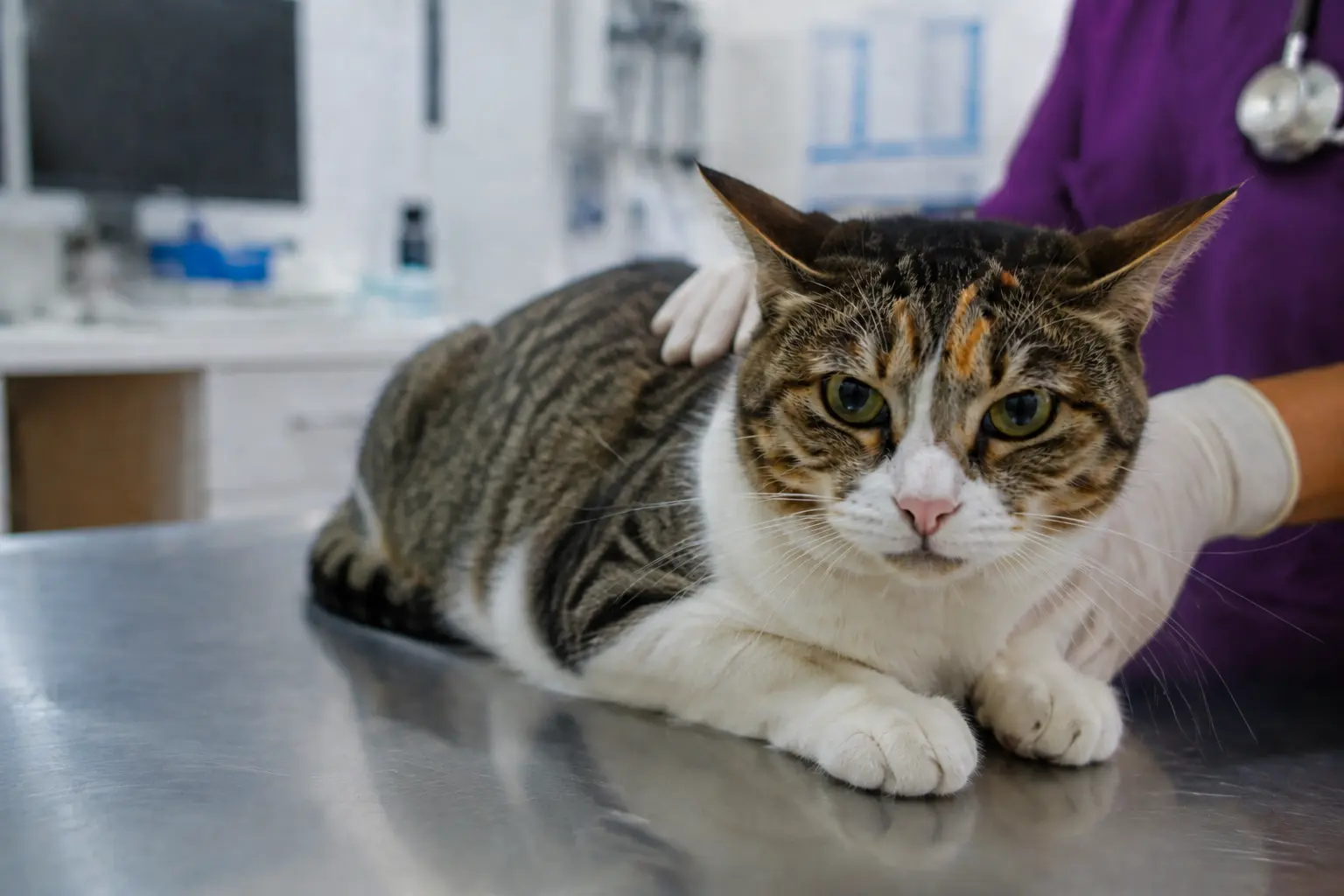
Protecting your cat isn’t just about tracking—it’s also about proactive care. Regular checkups, grooming, and vaccinations all play a vital role in your cat’s well-being. For example, Cat Grooming Abu Dhabi services are popular among owners who want to keep their pets clean, comfortable, and free from fur matting. Likewise, professional Veterinary Clinic Abu Dhabi ensures your furry companion remains healthy and happy, which reduces the risks of skin issues or discomfort if they spend time outdoors.
By combining responsible grooming with microchipping and, optionally, GPS, you’ll create a comprehensive safety net for your beloved cat.
Microchip Myths vs. Reality
It’s easy to get confused about what microchips can and cannot do. Let’s clear up a few myths:
- Myth 1: Microchips are tracking devices.
- Reality: They are only identification tools
- Myth 2: Anyone can scan my cat’s microchip
- Reality: Only vets, shelters, or organizations with RFID scanners can access the information.
- Myth 3: Microchips are painful or dangerous.
- Reality: Implantation is quick, safe, and no more painful than a vaccination.
How to Ensure Your Cat’s Microchip Works
Microchips are only effective if your details are up-to-date. Here’s how to make sure yours works:
- Register the microchip with the correct contact information.
- Update your details whenever you move or change phone numbers.
- Ask your vet to scan the chip during checkups to confirm it’s working.
Conclusion: Microchip vs GPS – Which Is Right for Your Cat?
So, can you track your cat with a microchip? Not exactly. Microchips cannot provide real-time tracking, but they are essential for permanent identification. If your cat gets lost, a microchip increases the chance of being reunited.
However, if you want to actively monitor your cat’s location, a GPS tracker is the way to go. The ideal solution? Use both. A microchip for permanent ID and a GPS collar for real-time tracking ensures your cat’s safety and your peace of mind.
With proper grooming, care, and modern technology, you can keep your feline companion safe, healthy, and always within reach.
