



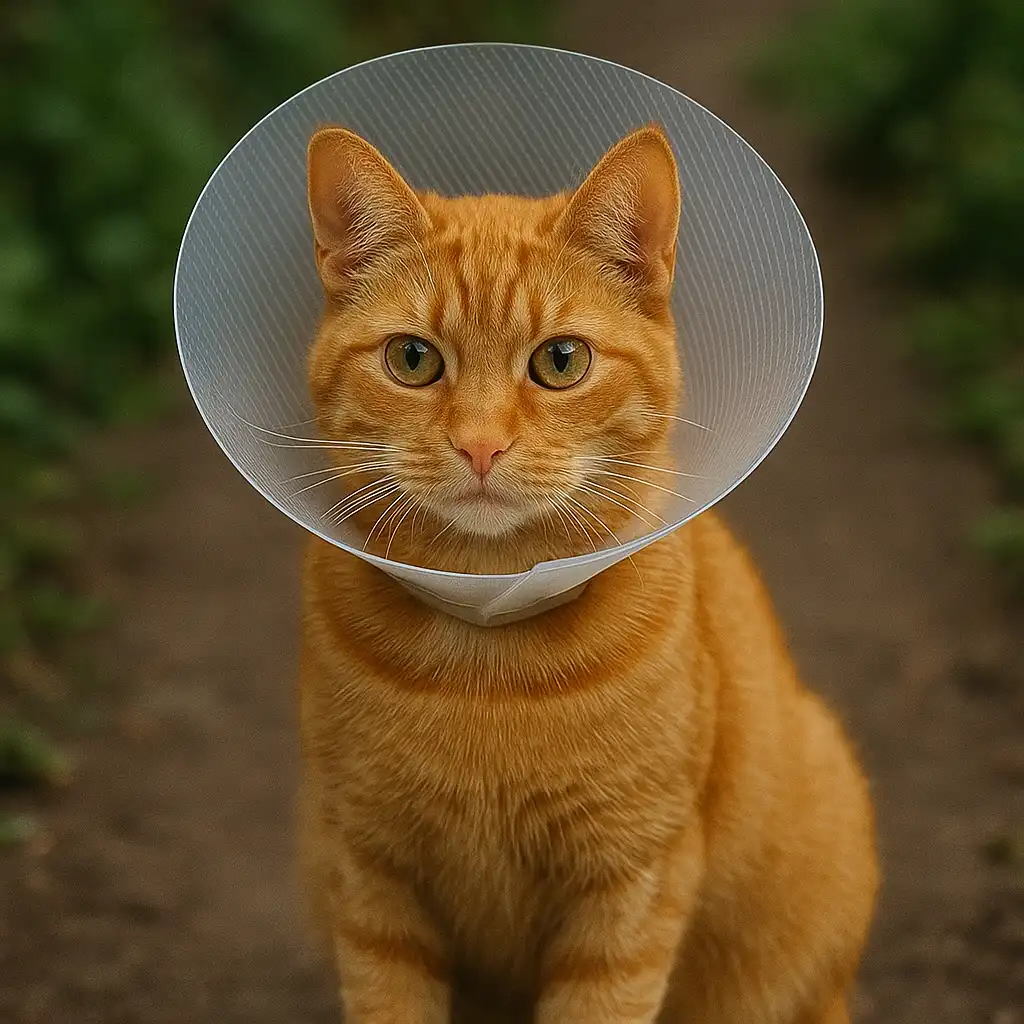
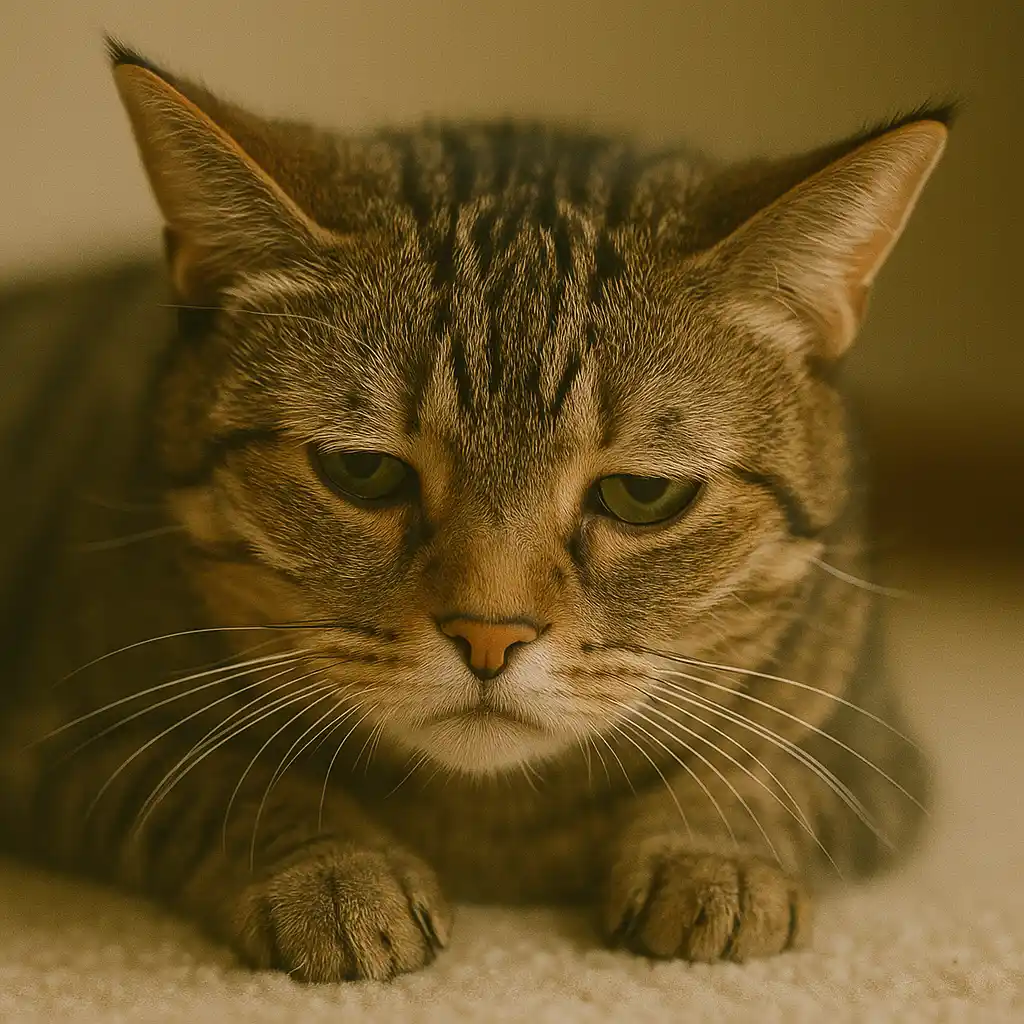

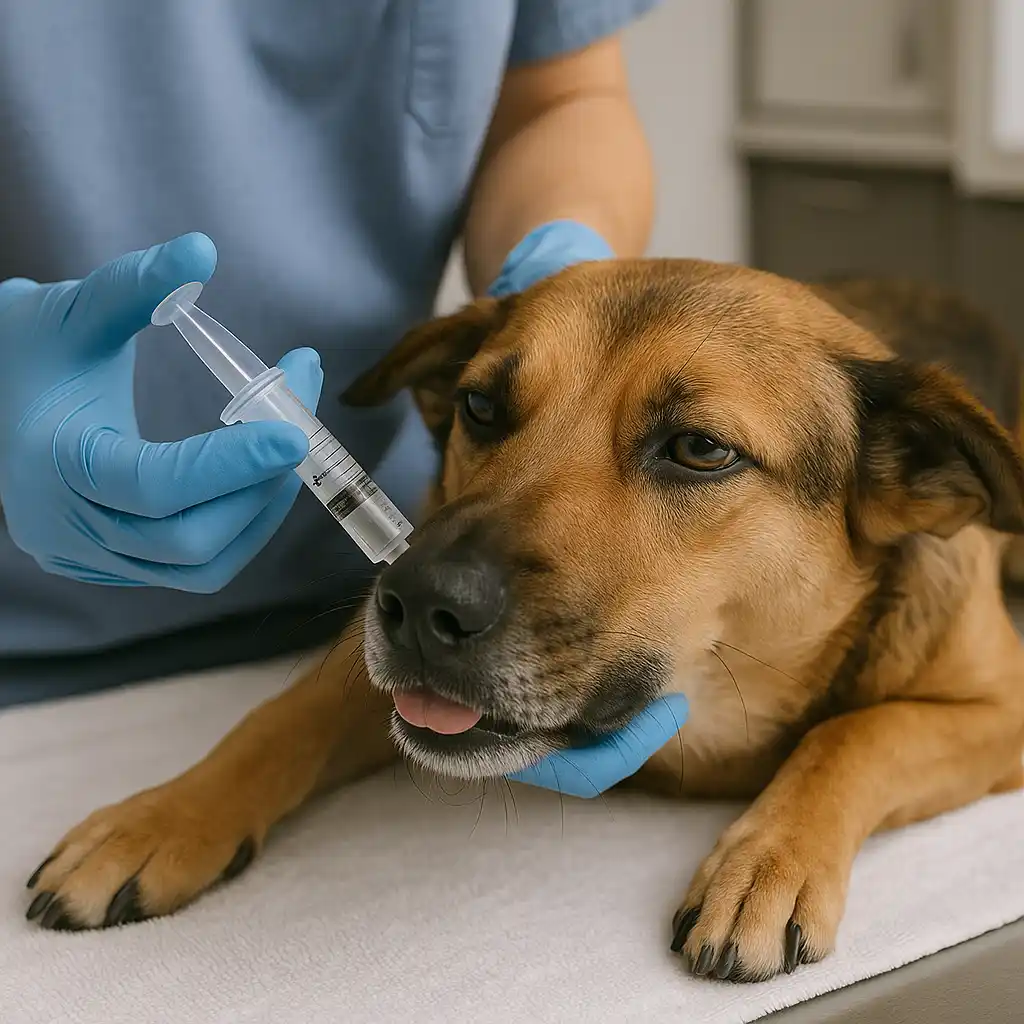

Cats are delicate creatures, and post-surgical recovery requires vigilance to ensure their health and comfort. A fever after surgery is one of the most common concerns pet owners face. At Petsoasis Abu Dhabi, we understand how stressful it can be to see your beloved cat unwell. This guide will help you identify what’s normal, when to consult a Pet Clinic Abu Dhabi, and how to support your cat through recovery.
Understanding Post-Surgical Fever in Cats
Fever in cats is defined as a body temperature above 102.5°F (39.2°C). After surgery, a mild increase is not unusual as the body responds to anesthesia, tissue trauma, and stress. However, persistent or high fever can indicate infection or other complications that require prompt veterinary evaluation.
Normal Recovery Signs May Include:
- Mild lethargy for 24–48 hours
- Slightly elevated temperature up to 103°F (39.4°C)
- Decreased appetite for a short period
- Minimal swelling at the incision site
When to Worry:
If you observe any of the following, contact Pet Health Veterinary Clinic immediately:
- Temperature exceeding 104°F (40°C)
- Severe lethargy or unresponsiveness
- Continuous vomiting or diarrhea
- Rapid breathing or difficulty breathing
- Foul-smelling discharge from the surgical site
- Cat rapid weight loss over a few days
- Sudden cat hair loss causes unrelated to the surgical site
Causes of Fever After Surgery
Post-operative fever can have several triggers:
- Inflammatory Response
- The body’s natural healing mechanism can raise temperature slightly. This is typically self-limiting within two days.
- Surgical Site Infection
- Bacteria can invade the incision, causing redness, swelling, and fever.
- Urinary Tract Infection
- Particularly if a catheter was used during surgery.
- Respiratory Infection
- From prolonged anesthesia or aspiration during recovery.
- Drug Reactions
- Some medications can trigger fever as a side effect.
Monitoring Your Cat at Home
At Petsoasis Abu Dhabi, we recommend the following steps:
- Check Temperature Twice Daily: Use a digital rectal thermometer. If you are uncomfortable, visit a Pet Clinic Abu Dhabi for assistance.
- Observe Eating and Drinking: Ensure your cat is hydrated. Dehydration can worsen fever.
- Inspect the Incision Site: Look for swelling, redness, or discharge.
- Track Weight: Cat rapid weight loss signals a serious issue requiring immediate care.
How Long Does a Post-Surgical Fever Last?
Mild fevers usually resolve within 48–72 hours. If your cat’s temperature remains elevated beyond this timeframe or worsens, contact Pet Health Veterinary Clinic promptly.
Supporting Recovery: Home Care Tips
Rest and Quiet Environment:
Provide a warm, calm space away from household noise.
Hydration:
Offer fresh water. If your cat refuses to drink, try offering ice cubes or water mixed with a small amount of tuna juice.
Nutrition:
Tempt appetite with vet-approved recovery diets. Cats can become hypoglycemic quickly, especially if already underweight.
Pain Management:
Only use prescribed medications. Never administer over-the-counter drugs without veterinary approval.
Recognizing Emergency Signs
Seek immediate veterinary help if:
- The fever exceeds 104°F
- Your cat collapses or cannot stand
- There is profuse bleeding from the incision
- Breathing becomes rapid or labored
- Severe vomiting or diarrhea develops
Common Post-Surgical Complications to Watch For
Surgical Site Infection:
Marked by heat, swelling, redness, and discharge. Prompt antibiotics may be needed.
Dehiscence (Incision Opening):
If the wound splits open, cover it with a clean cloth and go to your vet.
Seroma:
A fluid pocket under the skin. While often harmless, if accompanied by fever, it could indicate infection.
Fever of Unknown Origin:
Sometimes no clear cause is found immediately. Comprehensive diagnostics may be required.
The Link Between Fever and Other Conditions
While fever itself is concerning, it can be compounded by:
- Cat rapid weight loss indicating systemic infection or metabolic disease.
- Cat hair loss causes such as stress alopecia or hormonal imbalances triggered by surgery.
If you notice patchy hair loss, skin changes, or persistent fever, schedule a detailed checkup at Pet Health Veterinary Clinic.
When Should You Contact Petsoasis Abu Dhabi?
If you are unsure whether your cat’s fever is normal, always err on the side of caution. At Petsoasis Abu Dhabi, our team offers 24/7 support for post-surgical complications. Early intervention can prevent minor issues from escalating.
Frequently Asked Questions
Is mild fever normal after spaying or neutering?
Yes, slight fever up to 103°F can occur and generally resolves within 48 hours.
Can stress cause fever?
Stress can mildly elevate temperature, but persistent fever should never be ignored.
Does hair loss occur after surgery?
Some cats develop hair loss around the incision from shaving or stress. If hair loss spreads or includes redness, consult your veterinarian.
Conclusion
Post-surgical fever in cats can range from normal inflammation to life-threatening infection. Close monitoring, proactive care, and timely veterinary evaluation are crucial. If you notice unusual signs such as cat rapid weight loss or persistent fever, visit Petsoasis Abu Dhabi or your trusted Pet Health Veterinary Clinic immediately. Your vigilance ensures your cat’s swift, safe recovery.