










Cats have been human companions for thousands of years, and one of the most common questions cat lovers ask is how long their furry friends will live. On average, cats live between 12 to 16 years, though some breeds are known to live well into their 20s. Understanding cat age expectancy is essential for owners who want to give their pets the longest, healthiest life possible.
While genetics play a role, factors such as nutrition, environment, grooming, and veterinary care significantly influence a cat’s lifespan. According to the American Veterinary Medical Association (AVMA), indoor cats tend to live nearly twice as long as outdoor cats due to reduced risks of disease, accidents, and environmental dangers.
Why Cat Age Expectancy Varies
Not all cats are the same when it comes to longevity. Several factors determine lifespan, including:
- Breed genetics – Some breeds are naturally hardier than others.
- Diet and nutrition – A well-balanced diet extends life.
- Healthcare – Regular veterinary visits prevent and treat diseases early.
- Lifestyle – Indoor cats often outlive outdoor cats by years.
- Preventive care – Vaccinations, parasite control, and grooming routines all matter.
By combining the right environment with attentive care, owners can maximize their cat’s lifespan.
Longest-Living Cat Breeds
Some breeds consistently outlive others thanks to robust genetics and overall health profiles. Here are the top breeds with remarkable longevity:
1. Siamese Cats
Siamese cats are famous not only for their striking blue eyes but also for their long lifespans. Many live 15 to 20 years, and some have been known to exceed 20. With proper care, they remain playful and affectionate throughout their senior years.
2. Burmese Cats
Burmese cats are sociable and highly adaptable. Their average life expectancy is 16–18 years, with many living longer when kept indoors. They are also known for being relatively resistant to genetic health issues.
3. Ragdoll Cats
Known as gentle giants, Ragdolls often live 15–20 years. Their calm temperament makes them great companions, but they require consistent grooming to prevent matting and skin issues as they age.
4. Russian Blue Cats
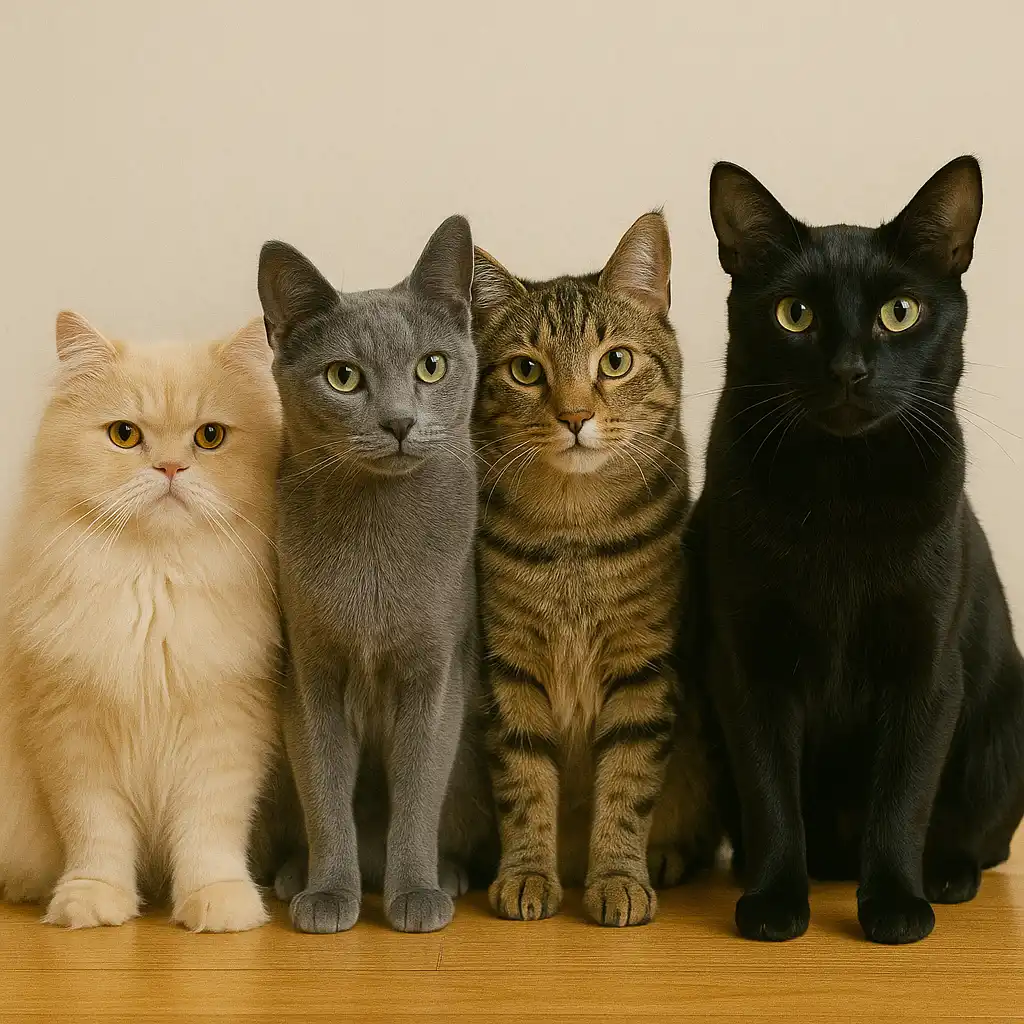
The Russian Blue is a naturally healthy breed with a lifespan of 15–20 years. With their plush coats and vivid green eyes, they are both striking and resilient.
5. Sphynx Cats
Despite being hairless, the Sphynx is a hardy breed. Their life expectancy is around 14–17 years, though owners must provide skin care and protection from temperature extremes.
6. Persian Cats
Persians are iconic long-haired cats. They typically live 12–17 years, but with proper care and monitoring for respiratory issues, some live into their 20s.
7. American Shorthair Cats
This breed is known for robust health and longevity. Their average age expectancy is 15–20 years, making them a dependable family pet.
Indoor vs. Outdoor Lifespan
Statistics show that indoor cats live significantly longer than outdoor cats:
- Indoor cats: 13–17 years on average
- Outdoor cats: 5–10 years on average
Outdoor cats face hazards such as cars, predators, infections, and harsh climates. Keeping your cat indoors or offering a safe outdoor enclosure is one of the easiest ways to extend its life.
Veterinary Care and Longevity
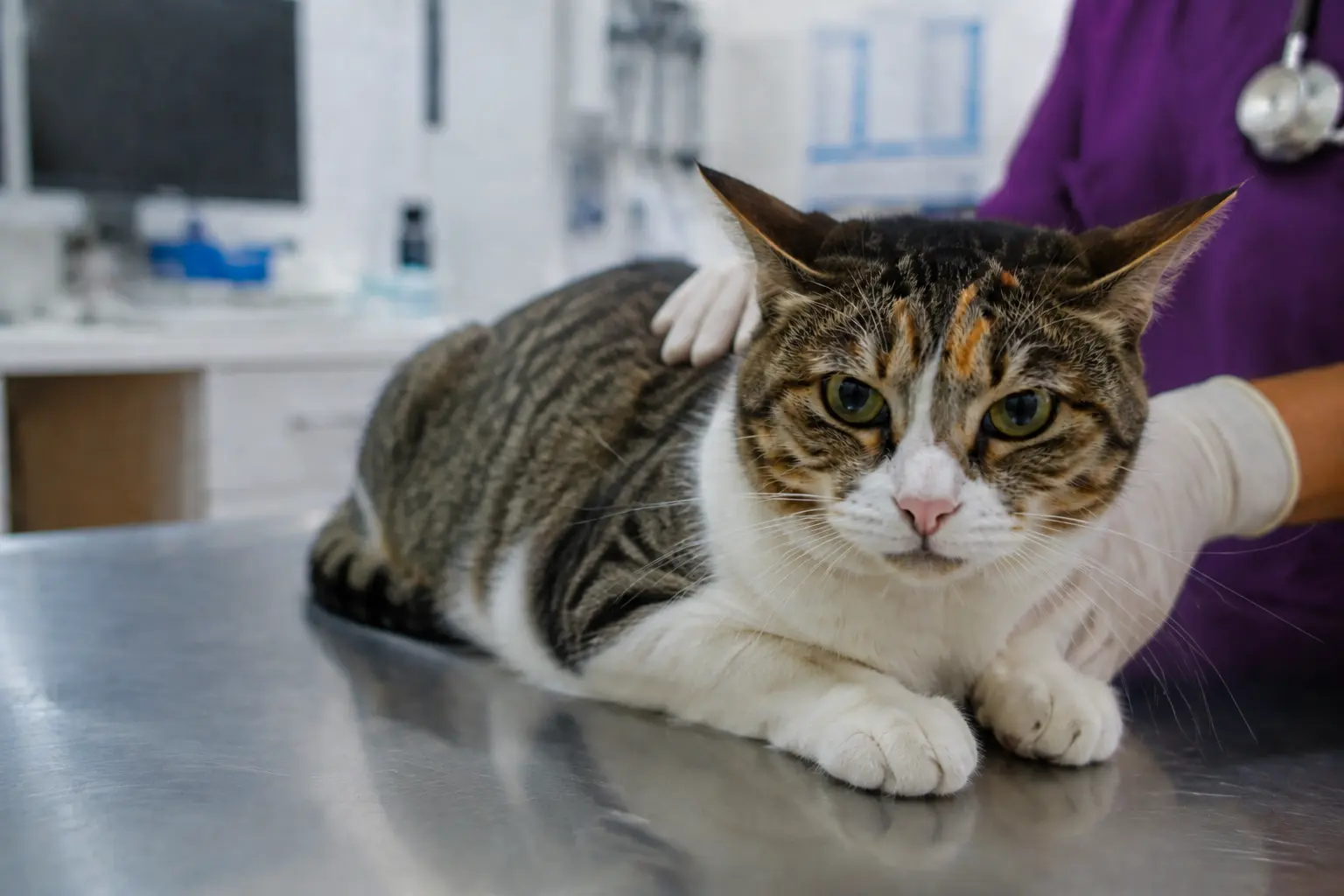
Routine veterinary checkups are vital. Clinics such as Veterinary Clinic in Abu Dhabi provide preventive care like vaccinations, parasite treatment, and early disease detection. Cats often hide illness, so annual or biannual visits help catch conditions before they become life-threatening.
Grooming and Well-Being
Longevity is also tied to hygiene and comfort. Regular grooming prevents matting, skin infections, and stress. Professional services such as Cat Grooming Abu Dhabi help maintain healthy coats, nails, and skin, which improves overall health and life expectancy.
Nutrition: A Cornerstone of Long Life
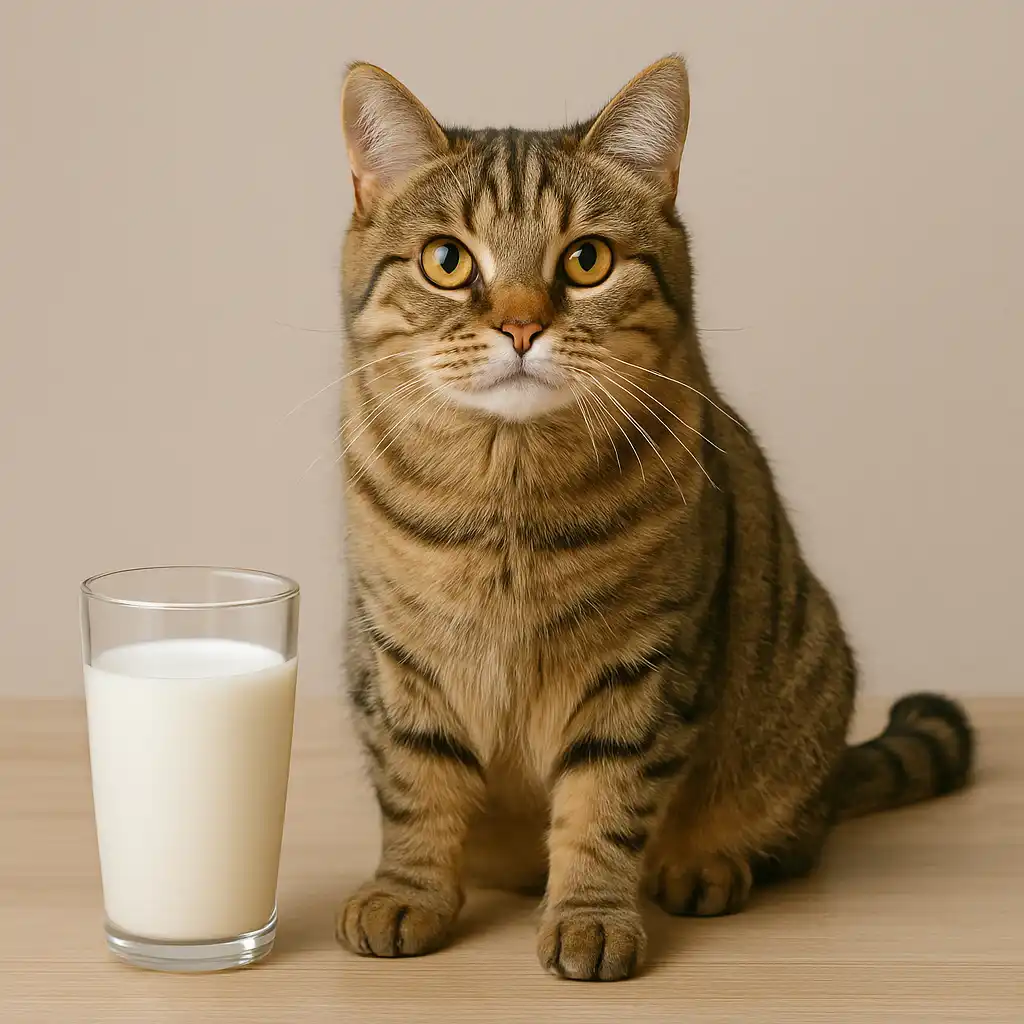
Diet is one of the most powerful factors influencing cat age expectancy. A balanced diet with proper protein, taurine, fatty acids, and vitamins supports a strong immune system. Specialized wet food for cats is formulated to meet feline needs, unlike human food, which can cause health issues.
Cats that are fed age-appropriate diets—kitten food for growth, adult food for maintenance, and senior formulas for aging cats—are more likely to live long, healthy lives. Avoiding obesity is especially important, as overweight cats are at higher risk for diabetes, heart disease, and joint problems.
How to Help Your Cat Live Longer
Owners play a huge role in extending their cat’s lifespan. Here are some proven strategies:
- Schedule regular vet visits for early diagnosis and treatment.
- Provide balanced nutrition suited to your cat’s life stage.
- Maintain a healthy weight to prevent obesity-related conditions.
- Ensure indoor safety to reduce exposure to external dangers.
- Keep up with vaccinations and flea prevention to stop infections.
- Offer enrichment activities such as climbing trees, toys, and playtime to keep them mentally and physically active.
Record-Breaking Cats
Some cats have defied expectations entirely. The Guinness World Record holder, Creme Puff, a domestic cat from Texas, lived to be 38 years and 3 days old—a reminder of what’s possible when genetics and lifestyle align perfectly.
Final Thoughts
Cats bring joy and companionship, and knowing their cat age expectancy allows owners to provide the best care possible. While certain breeds are naturally long-lived, nutrition, grooming, veterinary care, and lifestyle choices have just as much influence on lifespan. Whether you own a Siamese, Persian, or American Shorthair, your commitment to preventive care, proper diet, and a safe environment will ensure your feline friend enjoys many healthy, happy years by your side.