
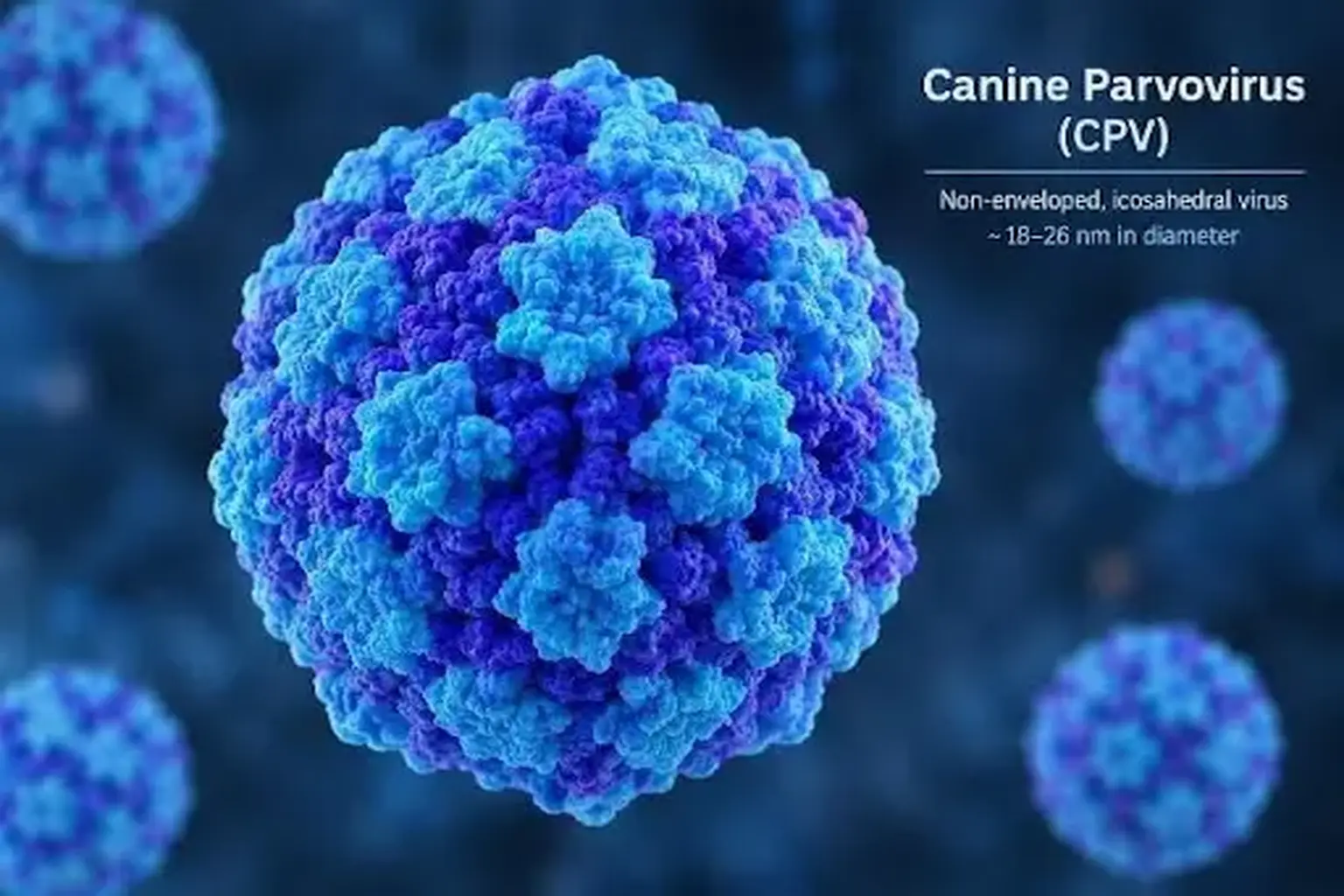








Keeping your furry friend safe from fleas and ticks is one of the most important responsibilities of any dog owner. These tiny parasites may seem small, but they cause immense discomfort and can transmit serious diseases such as Lyme disease, ehrlichiosis, and anaplasmosis. According to the Centers for Disease Control and Prevention (CDC), tick-borne diseases in pets have risen by more than 20% in the past decade, making prevention more crucial than ever. That’s why many pet parents ask the question: what is the best flea and tick treatment for dogs when looking for natural, safe, and effective alternatives.
In this guide, we’ll explore trusted natural remedies, prevention strategies, and professional tips that will help you protect your dog without exposing them to unnecessary chemicals.
Why Natural Flea and Tick Treatments Matter
Conventional chemical treatments are effective, but they can sometimes cause side effects like skin irritation, lethargy, or digestive issues. A 2022 veterinary survey revealed that nearly 35% of pet owners prefer natural or holistic treatments because they offer protection with fewer risks. Natural remedies also provide peace of mind to owners who want to minimize exposure to synthetic pesticides.
By using nature-based solutions, you can often achieve the same level of effectiveness while supporting your dog’s long-term wellness.
Common Symptoms of Flea and Tick Infestation
Before we dive into treatments, it’s important to recognize early signs of fleas or ticks on your dog:
- Constant scratching or biting at the skin
- Red bumps or scabs around the neck, tail, or belly
- Visible tiny black dots (flea dirt) in fur
- Small moving insects around the ears, back, or paws
- Lethargy, loss of appetite, or signs of discomfort
Spotting these signs early allows you to act quickly with natural solutions before the problem worsens.
Natural Flea and Tick Treatment Options
1. Apple Cider Vinegar Spray
Apple cider vinegar (ACV) is a powerful natural repellent. Mixing one part ACV with one part water in a spray bottle creates a solution that can be lightly misted onto your dog’s coat. The acidity helps repel fleas and ticks without harming your pet.
2. Essential Oils (Properly Diluted)
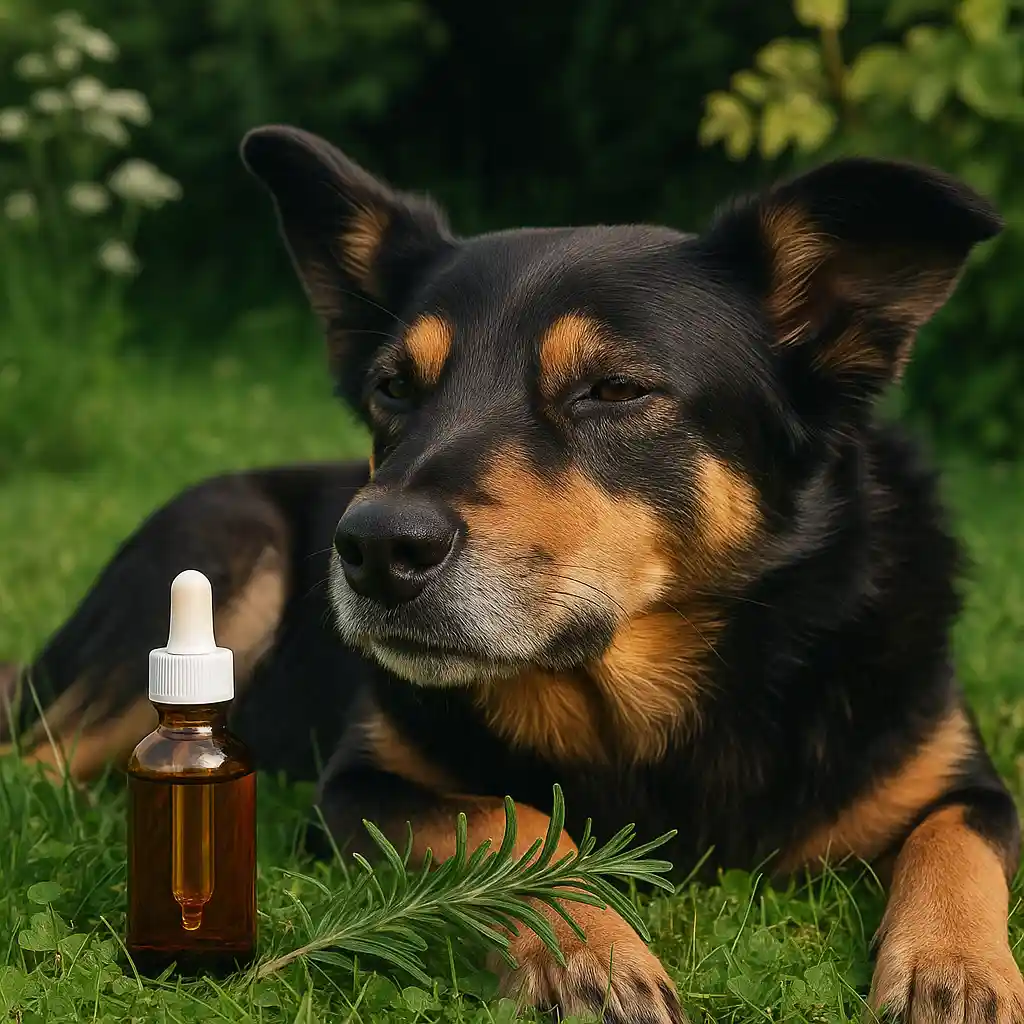
Certain essential oils like lavender, eucalyptus, and cedarwood are known to repel parasites. Always dilute a few drops in a carrier oil (like coconut oil) before applying, as undiluted oils can irritate a dog’s skin.
3. Coconut Oil Rub
Coconut oil contains lauric acid, which is naturally antibacterial and anti-parasitic. Rubbing a small amount onto your dog’s coat not only repels fleas and ticks but also leaves the fur shiny and healthy.
4. Herbal Flea Collars
Homemade collars infused with natural oils like citronella, rosemary, or peppermint can provide ongoing protection. These are safer than chemical collars and can be recharged by reapplying oil every few weeks.
5. Food Supplements
A strong immune system makes dogs less attractive to parasites. Adding small amounts of garlic (in safe veterinary-approved doses) or brewer’s yeast to meals is known to repel fleas naturally. Always consult your vet for dosage guidance.
Environmental Prevention at Home
Even the best natural treatments will not work if your dog’s environment is infested. To break the flea and tick cycle, try these steps:
- Vacuum regularly: Carpets, couches, and pet bedding are hotspots.
- Wash bedding weekly: Use hot water and natural detergent.
- Yard maintenance: Keep grass short and remove leaf piles where ticks thrive.
- Diatomaceous earth: Sprinkle food-grade powder in your home and yard—it naturally dehydrates and kills fleas.
Professional Guidance and Support
While natural treatments are effective, regular professional checkups are still essential. A trusted Veterinary Clinic Abu Dhabi can assess your dog’s overall health, ensure parasite control is working, and rule out any underlying conditions caused by flea or tick bites. Preventive exams twice a year are highly recommended, especially in warm climates like the UAE where ticks are active year-round.
Grooming as a Preventive Measure
Good grooming practices go hand-in-hand with flea and tick prevention. Regular brushing removes pests before they settle in and helps you spot problems early. Services such as Dog Grooming Abu Dhabi provide professional cleaning, coat trimming, and parasite checks. Groomers are often the first to notice ticks hiding in hard-to-reach areas like behind the ears or between the toes.
Don’t Forget Ear Care
Parasites like to hide in warm, moist environments. A dog’s ears are a prime location for fleas and ticks to irritate the skin. Learning how to clean your dog’s ears with vet-approved solutions reduces the risk of infestations and infections. Always use a soft cloth or cotton ball—never cotton swabs, as they can damage the ear canal.
Facts and Statistics on Flea and Tick Prevention
- Studies show one female flea can lay up to 50 eggs per day, making infestations spread rapidly.
- 70% of tick bites occur in home gardens and backyards, not just during outdoor hikes.
- Natural remedies, when used consistently, can reduce flea infestations by up to 80% in households within 30 days, according to holistic veterinary reports.
- Dogs with regular grooming and environmental care are 50% less likely to suffer from recurring flea and tick issues.
Final Thoughts
If you’ve ever wondered what is the best flea and tick treatment for dogs, the answer lies in combining safe, natural remedies with consistent grooming and environmental care. Apple cider vinegar sprays, coconut oil, herbal collars, and proper nutrition provide strong defenses. Pairing these with professional checkups, grooming services, and home cleaning ensures long-lasting protection.
Natural methods may require more frequent application compared to chemical treatments, but they offer peace of mind, improved health, and a happier, itch-free dog.