










Introduction: Understanding Feline Pain Through Experience
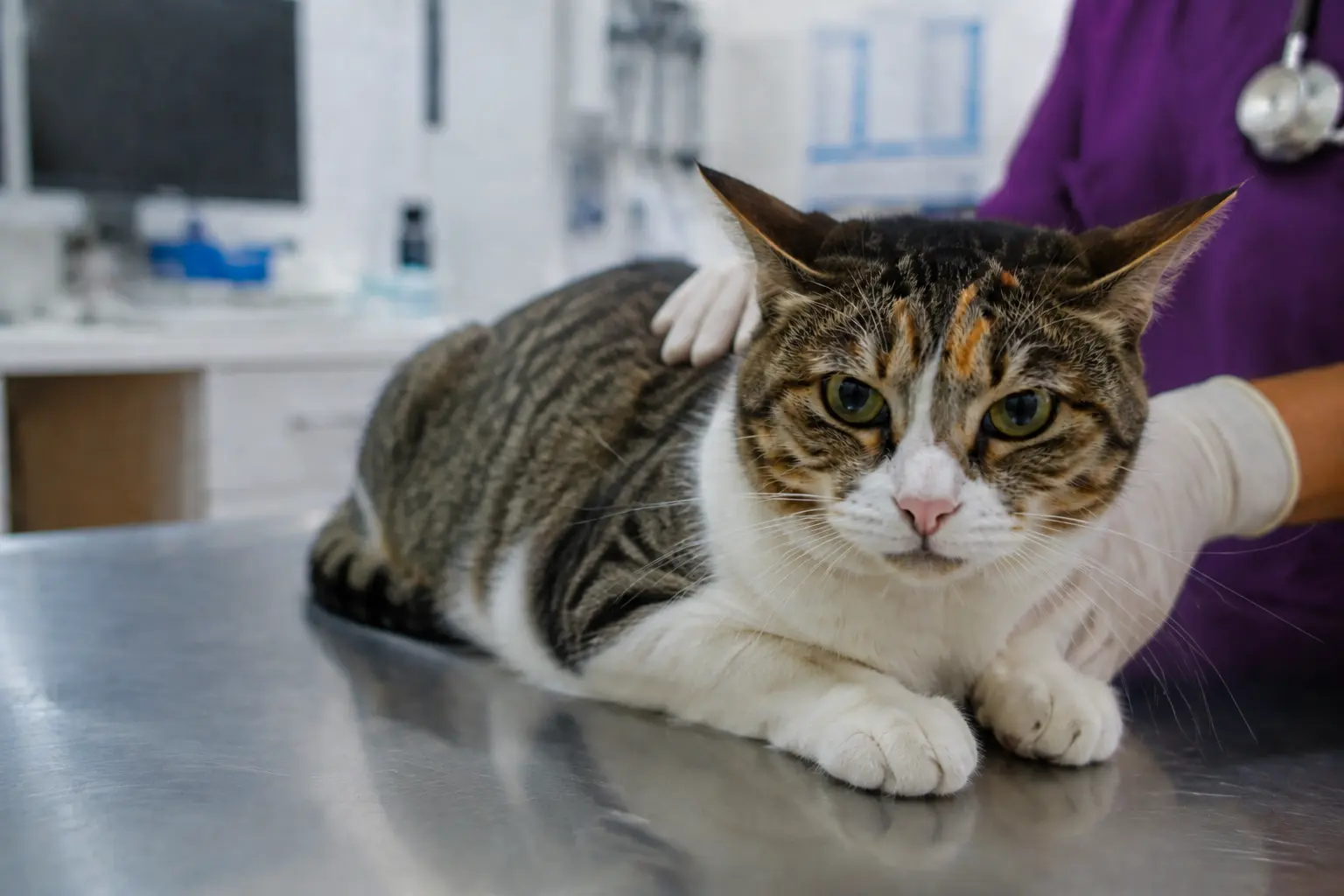
As a pet parent, one of the most challenging questions is: “Is my cat in pain?” Unlike humans, cats hide discomfort instinctively, which makes it harder to spot early. In my years working alongside veterinarians and caring for rescued cats, I’ve seen how subtle changes in behavior often indicate serious issues. Recognizing these early can mean the difference between quick treatment and long-term complications.
If you’re in the UAE and ever unsure about your cat’s health, visiting a Veterinary Clinic Abu Dhabi is the safest step.
Why Cats Hide Pain
Cats are natural predators, but also prey in the wild. Showing weakness could make them vulnerable, which is why domestic cats instinctively mask pain. For owners, this means paying attention to small changes in daily habits is critical.
Common Signs That May Indicate Pain in Cats
1. Changes in Eating and Drinking
A cat that suddenly refuses food, eats less, or drinks excessively may be experiencing internal discomfort. Dental pain, kidney disease, or gastrointestinal problems could be the cause.
2. Altered Grooming Behavior
Cats are usually meticulous groomers. If your cat stops grooming, it may be too painful to bend or lick. On the other hand, over-grooming one area may signal pain in that spot.
3. Mobility Issues
Difficulty jumping on furniture, stiffness after naps, or limping can all be signs of arthritis, injury, or other joint problems.
4. Vocal Changes
More meowing, hissing, or even unusual silence can indicate distress. Cats often use vocal cues to communicate pain to their trusted humans.
5. Hiding or Aggressive Behavior
A friendly cat that suddenly hides or becomes irritable may be trying to protect itself from touch due to pain.
Professional Insights: When Pain Becomes Critical
Veterinarians emphasize that pain in cats is not always obvious. A small limp could be arthritis, while reduced appetite could point to organ issues. Midway through treatment discussions, vets often remind owners that support like Pet Grooming Abu Dhabi services can also help reveal hidden health issues. Groomers often notice skin sensitivity, ear problems, or mobility struggles before owners do.
Additionally, prompt Pet Emergency Care is essential when symptoms escalate—such as continuous vomiting, difficulty breathing, or sudden paralysis. These are not wait-and-see moments; they are urgent.
Practical Tips for Pet Owners in the UAE
- Keep a Behavior Diary – Track daily habits: food intake, grooming, sleep, and playtime.
- Check Physical Signs – Look for swelling, wounds, or changes in eyes and ears.
- Schedule Regular Vet Visits – Annual checkups can reveal issues long before they become critical.
- Observe After Treatments – Post-surgery or medication, monitor closely for ongoing discomfort.
- Trust Your Instincts – If something feels “off,” it’s worth getting a professional opinion.
Case Example: Early Detection Saves Lives
One cat brought to our network had stopped climbing her usual perch. The owner thought it was aging, but a checkup revealed early arthritis and dental disease. With timely treatment, the cat regained comfort and lived a happier, active life. This highlights the importance of noticing small changes.
Conclusion
Caring for a cat means more than feeding and shelter—it’s about reading the silent signals they give us. Asking “Is my cat in pain?” is the first step toward responsible pet ownership. If you notice changes in mobility, appetite, or mood, consult your vet immediately. Staying informed also prevents future risks; for example, learning about Cat Eye Infection Awareness can help owners recognize early signs of ocular pain.