






Introduction: Addressing Cat Owners’ Concerns
Pet owners across the UAE often ask an important question: can humans get FIV from cats? Feline Immunodeficiency Virus (FIV) is a health condition that affects cats worldwide, including those in Dubai and Abu Dhabi. With growing awareness of pet diseases, cat owners want reassurance about whether their families are at risk.
Here’s the good news: FIV cannot be transmitted to humans. It is species-specific, meaning it only affects cats. However, understanding the virus, its impact on feline health, and how to manage it is crucial for every responsible pet owner. If you’re worried about your pet’s health, seeking help from a veterinary clinic abu dhabi or other trusted UAE veterinary centers is the best way forward.
What Is FIV?
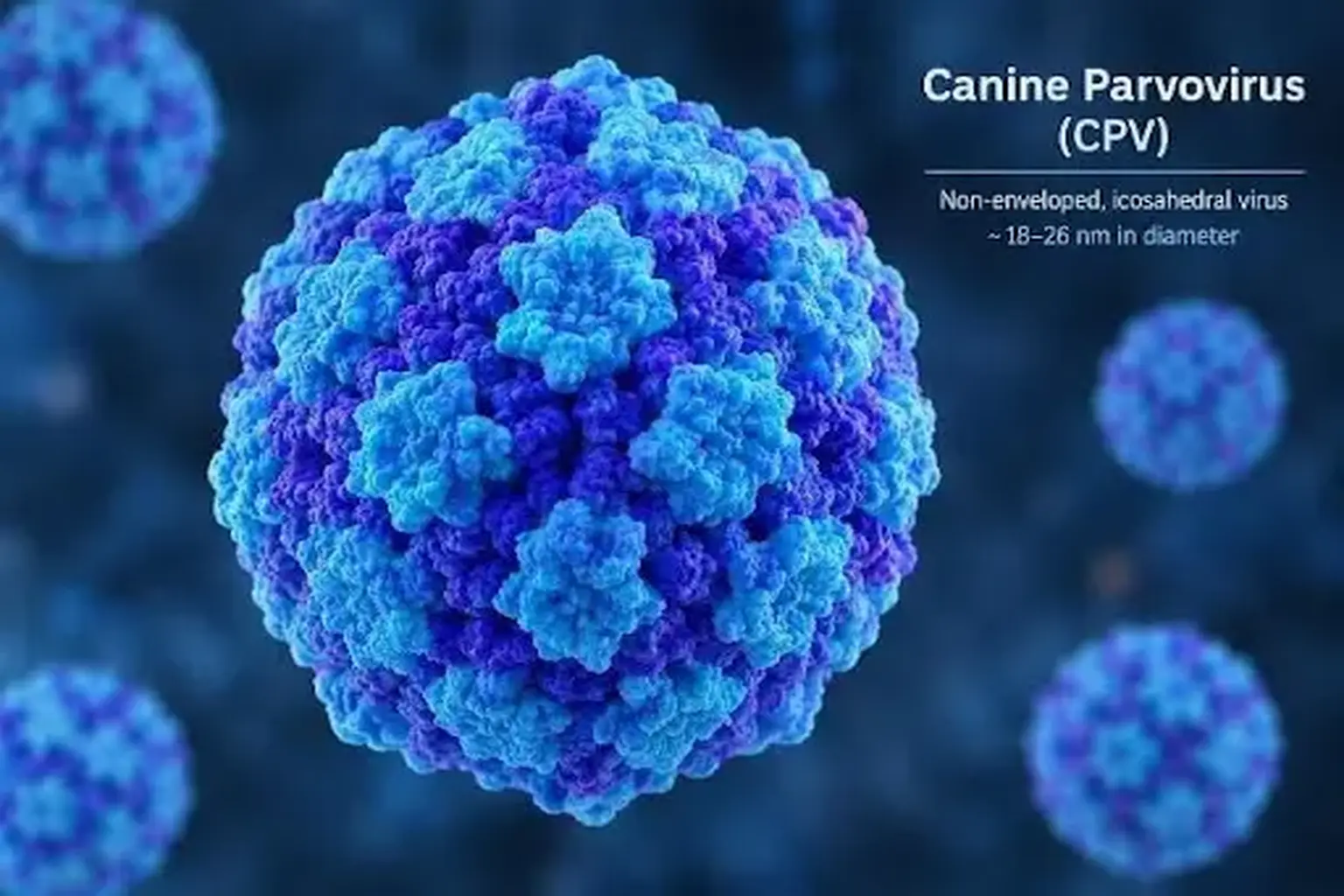
Feline Immunodeficiency Virus (FIV) is often compared to HIV in humans because both attack the immune system. However, there are important differences:
- Species Specificity: FIV only affects cats, not humans.
- Transmission: Primarily spread through deep bite wounds among cats, especially in outdoor environments.
- Impact: Weakens the cat’s immune system, making them vulnerable to secondary infections.
Example: A rescued stray cat in Sharjah tested positive for FIV but lived a long, healthy life with proper care and indoor living. This shows that a positive FIV diagnosis does not mean a death sentence.
How FIV Affects Cats
Cats with FIV may live normal lifespans if properly managed, but their immune systems are weaker. This makes them more prone to:
- Gum infections
- Chronic respiratory issues
- Skin conditions
- Secondary viral or bacterial infections
Practical Tip: Regular vet check-ups and vaccinations are essential for FIV-positive cats. Limiting outdoor exposure also helps reduce the risk of infection.
Can Humans Catch FIV?
The direct answer: No, humans cannot get FIV from cats.
- There is no evidence of FIV ever infecting humans.
- FIV cannot cross species barriers.
- Even people with weakened immune systems are safe from feline FIV.
This means children, elderly family members, and individuals with health conditions are not at risk from an FIV-positive cat.
Trusted Source: According to the American Veterinary Medical Association (AVMA), FIV poses no risk to humans, emphasizing that cat owners should not abandon or fear their pets due to this diagnosis.
How Is FIV Diagnosed in Cats?
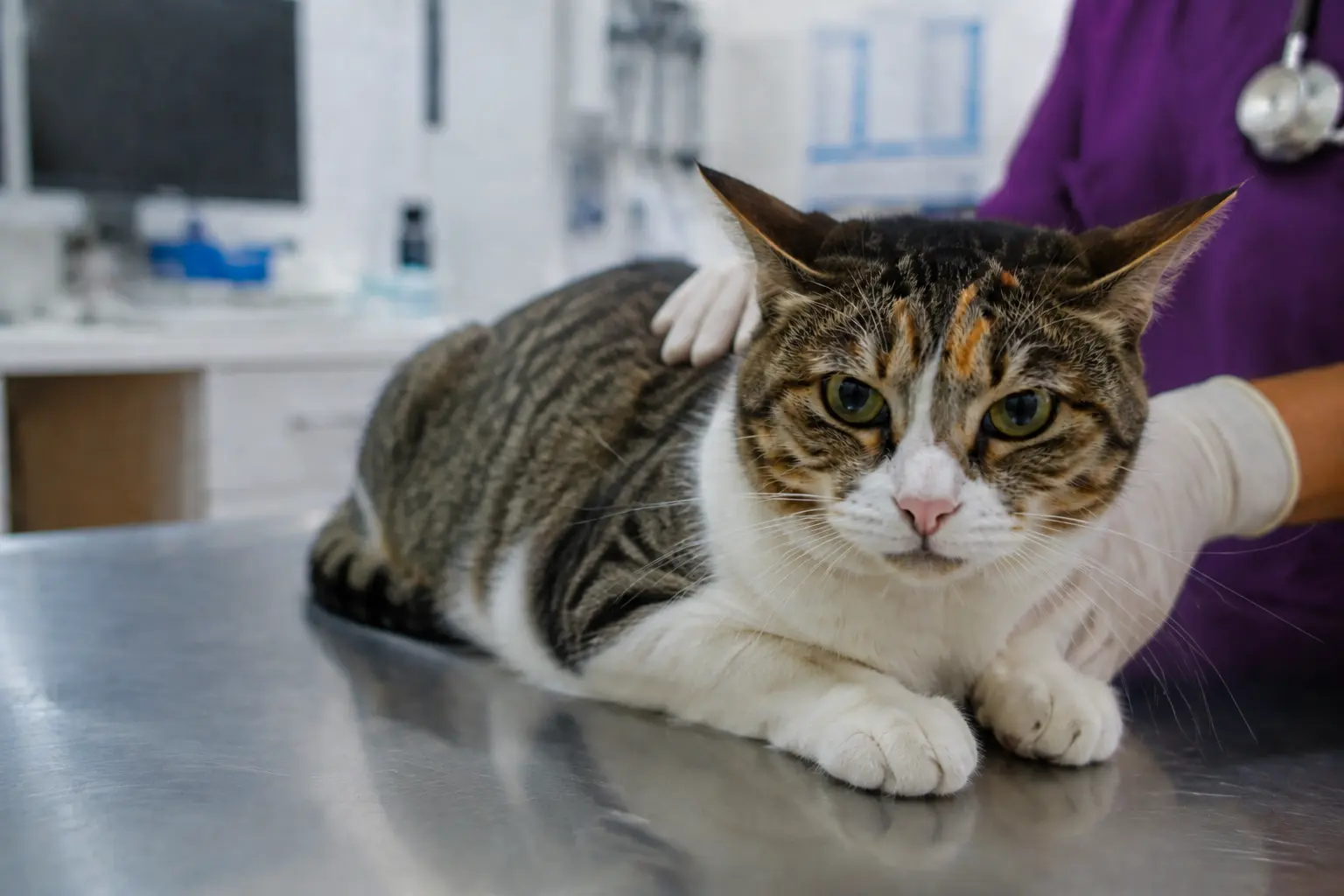
Veterinarians use blood tests to diagnose FIV. The most common tests include:
- ELISA Test (Screening): Detects antibodies to the virus.
- Western Blot or PCR: Used as confirmatory tests if initial results are unclear.
Case Study: At a UAE clinic, a Persian cat tested positive in an ELISA test. The vet confirmed with PCR before recommending care. This approach prevented misdiagnosis and unnecessary panic.
Caring for an FIV-Positive Cat
If your cat tests positive for FIV, don’t panic. With the right care, they can live long, happy lives.
Management Tips:
- Keep cats indoors to prevent spreading the virus.
- Schedule regular veterinary check-ups (at least twice yearly).
- Provide a balanced diet with essential nutrients.
- Avoid exposure to sick animals.
Real Example from Dubai: A family with two cats, one FIV-positive, managed them successfully by separating feeding bowls, scheduling regular vet visits, and ensuring both received equal love and attention.
Misconceptions About FIV
- Myth: FIV is easily transmitted among household cats.
Truth: It is mostly spread through deep bite wounds; casual contact is low-risk.
- Myth: FIV cats have short lifespans.
Truth: With proper care, many live normal lifespans.
- Myth: Humans can catch it.
Truth: Absolutely false—FIV is feline-specific.
Mid-Section Insight: Related Pet Services in UAE
Caring for a cat involves more than medical check-ups. Many pet owners in Dubai and Abu Dhabi combine medical visits with grooming. Professional cat grooming abu dhabi services help maintain hygiene, reduce stress for cats, and support overall health—especially for FIV-positive cats who need stronger protection against skin infections and parasites.
Preventing FIV in Cats
- Neuter or Spay: Reduces roaming and fighting, lowering transmission risk.
- Indoor Lifestyle: Limits contact with stray or aggressive cats.
- Regular Testing: Especially for adopted cats or those exposed outdoors.
- Vaccination: Though not available everywhere, some regions provide FIV vaccines.
Conclusion: The Truth Every Cat Owner Should Know
So, can humans get FIV from cats? The clear answer is no—this virus is feline-specific. The real focus should be on early detection, proper care, and preventive measures for your pets. UAE cat owners should work closely with trusted vets and maintain hygiene at home. If you suspect your cat might be at risk, always consult professionals to learn how to know if your cat has fiv through reliable testing and expert guidance.