





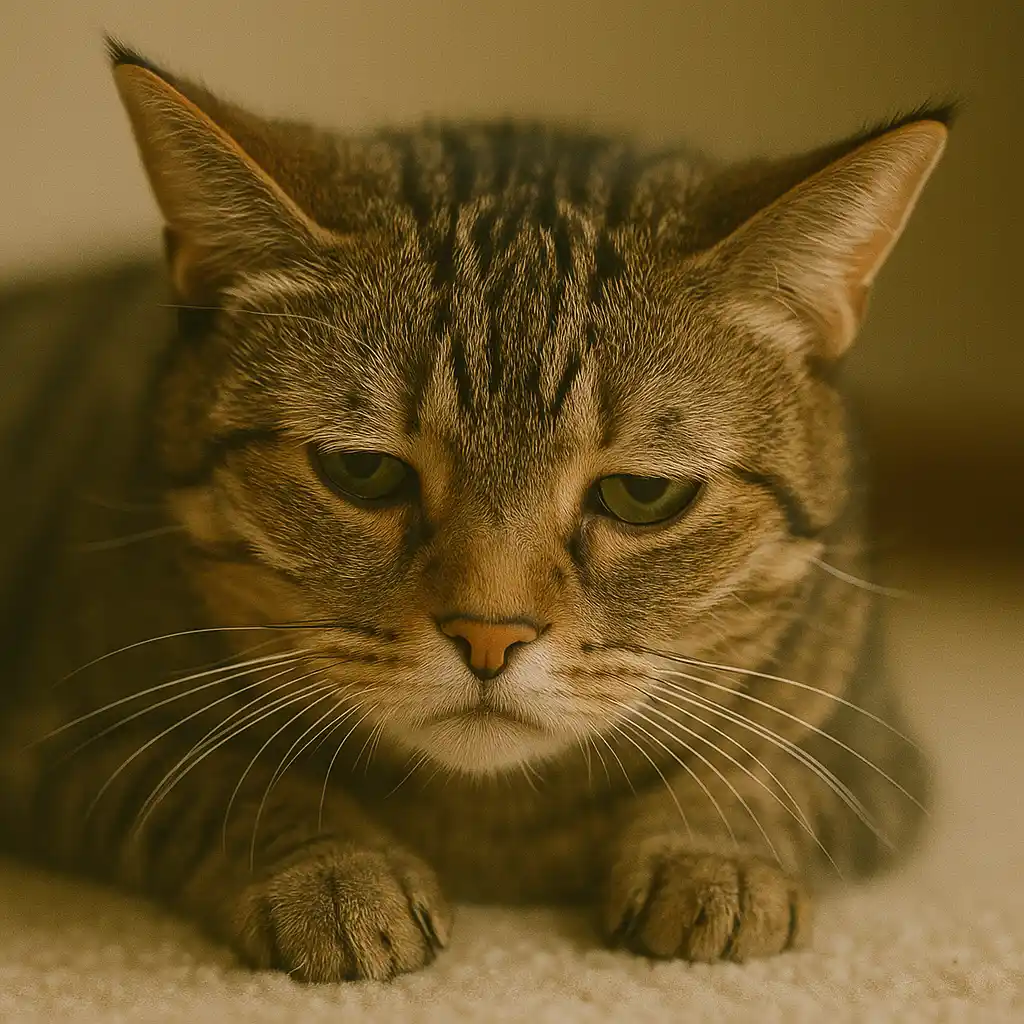


Your usually playful feline is now lying around all day, barely responding to toys or treats. Maybe your cat is hiding more than usual, sleeping excessively, or seems “off.” And sometimes, it can be difficult to understand why your cat behaves this way.
You might think it is their usual laziness, and you might be right. Or maybe you have heard the word from your friends and think my cat is lethargic. But you might not know what it means.
In either case, you need to understand what your cat is going through and get effective solutions at a premium emergency vet clinic in Abu Dhabi.
This guide will help you do exactly that.
Cat owners know their pets well, and when something feels wrong, it often is. A lethargic cat goes beyond simple tiredness. It could be a sign that something deeper is going on.
The good news? Many causes of cat lethargy are treatable, especially when caught early. So, let’s take a deep breath and understand what might be happening with your cat and how to help them feel better again.
What Is Cat Lethargy?
Lethargy in cats refers to an abnormal decrease in activity or energy. A lethargic cat might sleep more, lose interest in food, ignore stimulation, and stop grooming itself. While cats are known for their long naps, lethargy is a sustained lack of interest in everyday activities.
Cat lethargy is relatively common and can occur in cats of all ages, from kittens to seniors. However, it should never be ignored. It’s often a cause for concern that your cat is dealing with an underlying physical, emotional, or environmental issue.
Lethargy vs. Normal Tiredness
It’s easy to confuse cat lethargy with simple tiredness. Cats can sleep up to 16 hours daily, especially after vigorous play.
But tired cats still react to food, affection, and noises.
A lethargic cat, on the other hand, appears withdrawn, slow to react, and may completely avoid interaction. If your cat is suddenly lethargic and weak, especially when combined with other symptoms, it’s time to take it seriously.
Signs and Symptoms of Cat Lethargy
Here are some common signs that your cat might be dealing with more than just a lazy afternoon:
- Low Energy: Your cat barely moves, even when prompted by food, toys, or your voice.
- Decreased Appetite: A noticeable drop in food or water intake, often paired with a lack of interest in treats.
- Poor Grooming: Your cat’s coat may appear greasy, matted, or dirty which can be a sign they’ve stopped grooming and need professional pet grooming in Abu Dhabi.
- Hiding Behavior: Lethargic cats may isolate themselves in closets, under beds, or hard-to-reach corners.
- Weak Movements: Walking with difficulty, unsteady posture, or lying in unusual positions.
- Unusual Sleep: Sleeping far more than usual or appearing too tired to move between nap spots.
- Delayed Responses: Slow reactions to noise, movement, or stimuli that would usually spark interest.
Common Causes of Cat Lethargy
Understanding what’s behind your cat’s low energy is key to finding the right solution. Some common causes include:
- Illness or Infection: From respiratory infections to fevers, sickness can make a cat lethargic and withdrawn.
- Post-Surgical Recovery: A cat lethargic 3 days after spay or surgery may simply be healing. This can involve post-surgical fever and reduced activity, which can be normal. However, prolonged lethargy needs attention.
- Medications: Some post-treatment meds can cause side effects, such as your cat being lethargic after antibiotics or subcutaneous fluids.
- Vaccination Reaction: Mild lethargy after shots is normal, but cat lethargy after vaccines for more than 24 hours should be monitored.
- Pain or Injury: Cats hide pain wellethargy may be pain-related l, but if your cat is limping or acting related.
- Nutritional Issues: Poor diet or dehydration can lead to sudden drops in energy.
- Postpartum Fatigue: A lethargic cat after giving birth may be exhausted, especially if it is nursing. But continued symptoms require vet care.
Other Symptoms That May Occur with Lethargy
Vomiting
If your cat vomits and is lethargic, this could indicate food poisoning, hairballs, organ issues, or infection. Vomiting combined with lethargy should be taken seriously, especially if it’s persistent or your cat stops eating and drinking.
Not Eating or Drinking
When a cat is not eating and is lethargic, it often points to gastrointestinal distress, dental issues, or even more serious internal problems. Lack of nourishment weakens the cat further, creating a dangerous cycle.
Sneezing
A cat sneezing and lethargic may be battling an upper respiratory infection. These are common, contagious, and often need antibiotics or antiviral treatments.
Post-Spay Behavior
A cat lethargic after spaying may just be weak from anesthesia, but prolonged symptoms can signal an infection or internal bleeding. Always follow post-op care instructions and monitor closely for worsening signs.
Sudden Weakness
A cat is suddenly lethargic and weak and could be suffering from trauma, toxin exposure, anemia, or even heart disease. This level of rapid energy loss needs urgent care.
Importance of Accurate Diagnosis
Lethargy in cats is a symptom, not a diagnosis, and many health issues can cause similar behaviors. Mistaking a viral infection for dehydration or ignoring an underlying chronic condition can lead to misdiagnosis and delay proper care.
Conditions like feline diabetes, kidney disease, anemia, and even cancer can cause lethargy and appetite loss. Therefore, accurate diagnosis is critical.
Every premium veterinary laboratory in Abu Dhabi uses the following tools to identify the true cause:
- Physical exams to detect pain, fever, or dehydration
- Blood tests to check for infections, liver/kidney problems, or blood disorders
- X-rays or ultrasound for internal abnormalities
- Fecal tests for parasites
- Urine analysis to detect urinary tract issues or diabetes
A multi-pronged approach ensures your cat receives the correct treatment and recovers faster.
Solutions for Cat Lethargy
Depending on the cause, solutions may range from simple at-home care to emergency medical intervention.
Mild cases like post-vaccine drowsiness or a small cold may only require rest, hydration, and temporary medication. But if your cat is very lethargic all of a sudden and is not eating, drinking, or showing awareness, it’s time to see the vet.
Lethargy linked to infections or pain typically needs prescription medication, IV fluids, or antibiotics. Chronic conditions might require long-term care and specialized diets.
In cases where the cat is vomiting or dehydrated, intravenous (IV) fluids may be administered to stabilize them quickly. Pain relief or anti-inflammatory medications might also be given, depending on the test results.
How Vets Help Treat Lethargic Cats
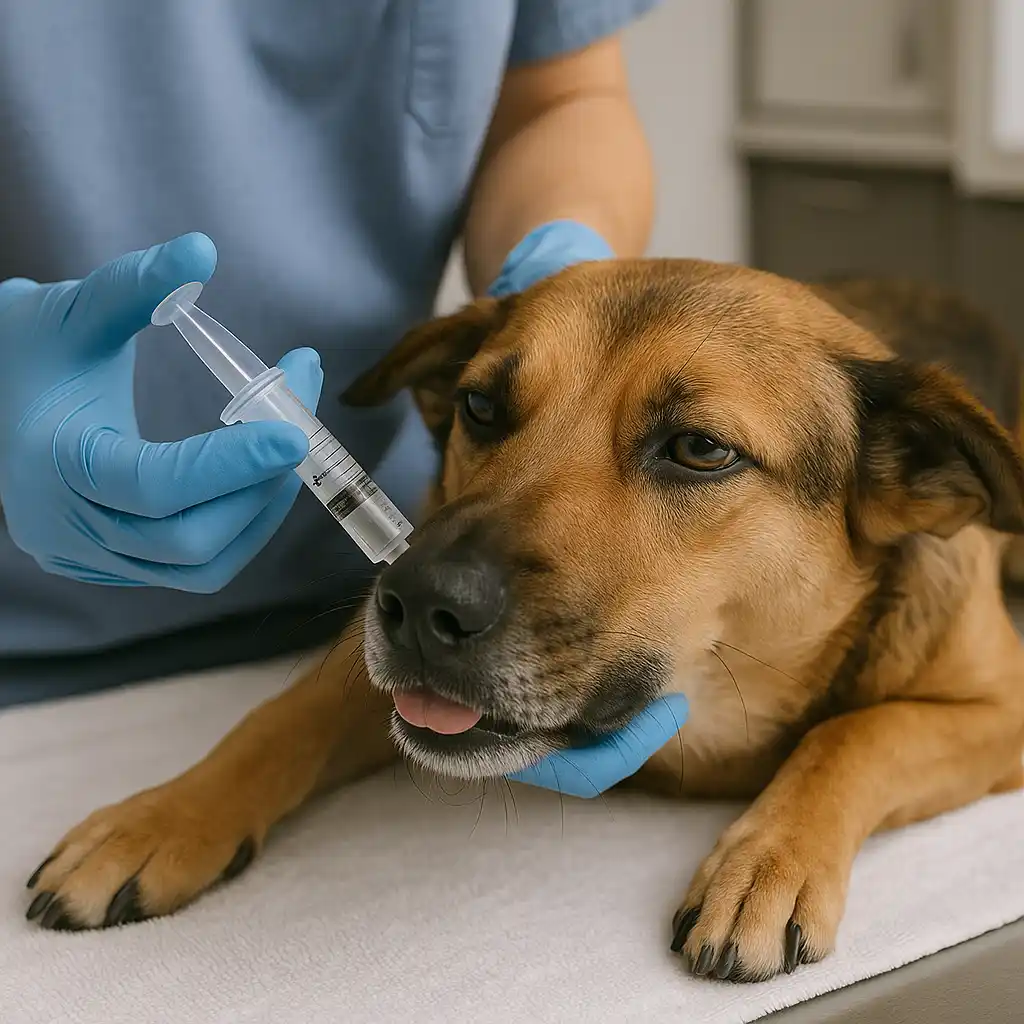
When you take your lethargic cat to the vet, the process usually begins with a thorough physical examination. The vet checks your cat’s vital signs, weight, hydration status, temperature, and responsiveness.
These initial observations help determine the urgency of the condition and provide clues about what might be going on internally.
If the vet suspects an underlying illness, they typically recommend diagnostic tests, which can help rule out infections, organ issues, or more serious conditions such as anemia or internal injuries.
Once treatment begins, the vet may provide ongoing monitoring or request follow-up visits, especially if the cat has a chronic condition or a slow recovery. Adjustments to diet, medications, or environment may be suggested as part of the overall care plan.
With professional evaluation and timely medical intervention, even a very lethargic cat can often recover and return to their usual behavior.
Home Remedies for Lethargic Cats
If your cat shows signs of lethargy but isn’t in immediate danger, you can take a few supportive steps at home while preparing for a veterinary visit.
First, ensure your cat has easy access to clean, fresh water. Dehydration can significantly contribute to low energy, and some lethargic cats may not seek water independently. Placing multiple water bowls throughout the home or offering ice cubes can encourage hydration.
Creating a warm, quiet resting area can also make a difference. Cats that are feeling unwell benefit from a stress-free environment. Choose a cozy, dimly lit spot away from foot traffic or noise, and place soft bedding there.
This gives your cat a safe place to retreat and recover without additional stress.
You can also try offering more tempting food options. Cats that are lethargic and not eating may respond to wet food, warm meals, or strong-smelling options like tuna. Adding a little low-sodium chicken broth (without onions or garlic) to their meals or water can help entice them to eat or drink more, especially if they’re dehydrated.
Conclusion
It’s more than a lazy day when your feline friend suddenly becomes quiet, hides away, or shows no interest in food or play. Cat lethargy is a potential sign of something more serious, but it’s also something you can act on.
Whether your cat is lethargic after spaying, after vaccines, or not eating and vomiting, paying attention to these signs can lead to early diagnosis and effective treatment.
Prompt action can mean a quick recovery and a worsening condition. So trust your instincts because you know your cat best.
Need Help with a Lethargic Cat in Dubai?
At Pet Oasis, we understand how worrying it is to see your cat acting out of character. Our experienced veterinary clinic in Abu Dhabi offers expert diagnostics, compassionate care, and customized treatment plans to restore your cat to their playful self.
Book a consultation today, and let us help your furry friend feel better. Contact Pet Oasis now or schedule an appointment through our website.