


Digestive health is a key part of your dog’s overall wellbeing. Unfortunately, constipation is a common issue that many pet parents face. The problem can become even more concerning when dealing with a dog constipated after surgery, as anesthesia, pain medications, or reduced activity can disrupt normal bowel movements. Studies estimate that up to 30% of dogs experience digestive slowdowns post-surgery, making constipation an issue worth addressing quickly.
This guide explains safe home remedies, when to seek veterinary help, and practical tips to prevent constipation from recurring.
Why Dogs Become Constipated After Surgery
Constipation happens when stool becomes hard and difficult to pass. After surgery, several factors can contribute to this issue:
- Anesthesia side effects – slows digestive motility.
- Pain medications – opioids are known to cause constipation.
- Dehydration – common during recovery.
- Lack of activity – reduced exercise limits gut movement.
- Stress – surgery and recovery can alter bathroom habits.
Recognizing the cause helps you treat the problem more effectively at home.
Signs That Your Dog is Constipated
It’s not always obvious when a dog is struggling with constipation. Look out for these signs:
- Straining or crouching without passing stool
- Hard, pebble-like feces
- Whining or discomfort during defecation
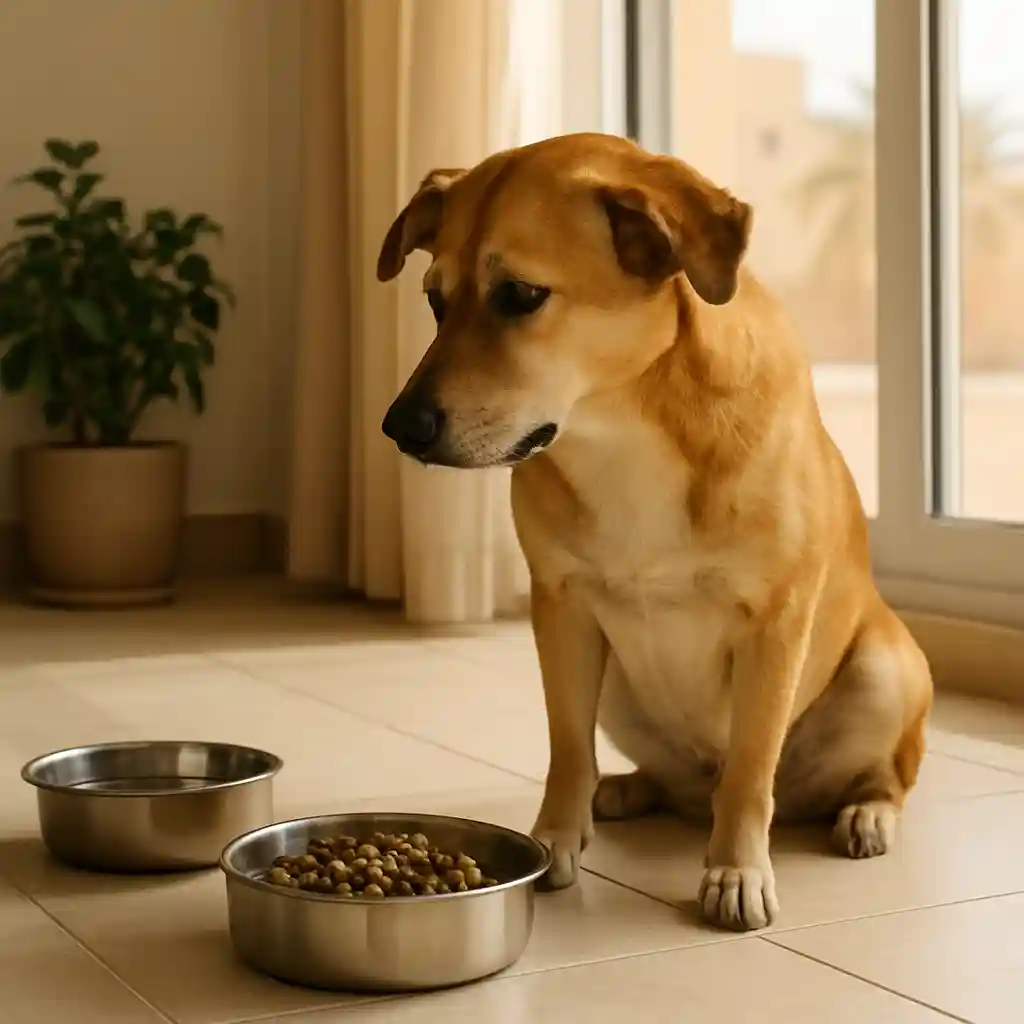
- Lethargy and loss of appetite
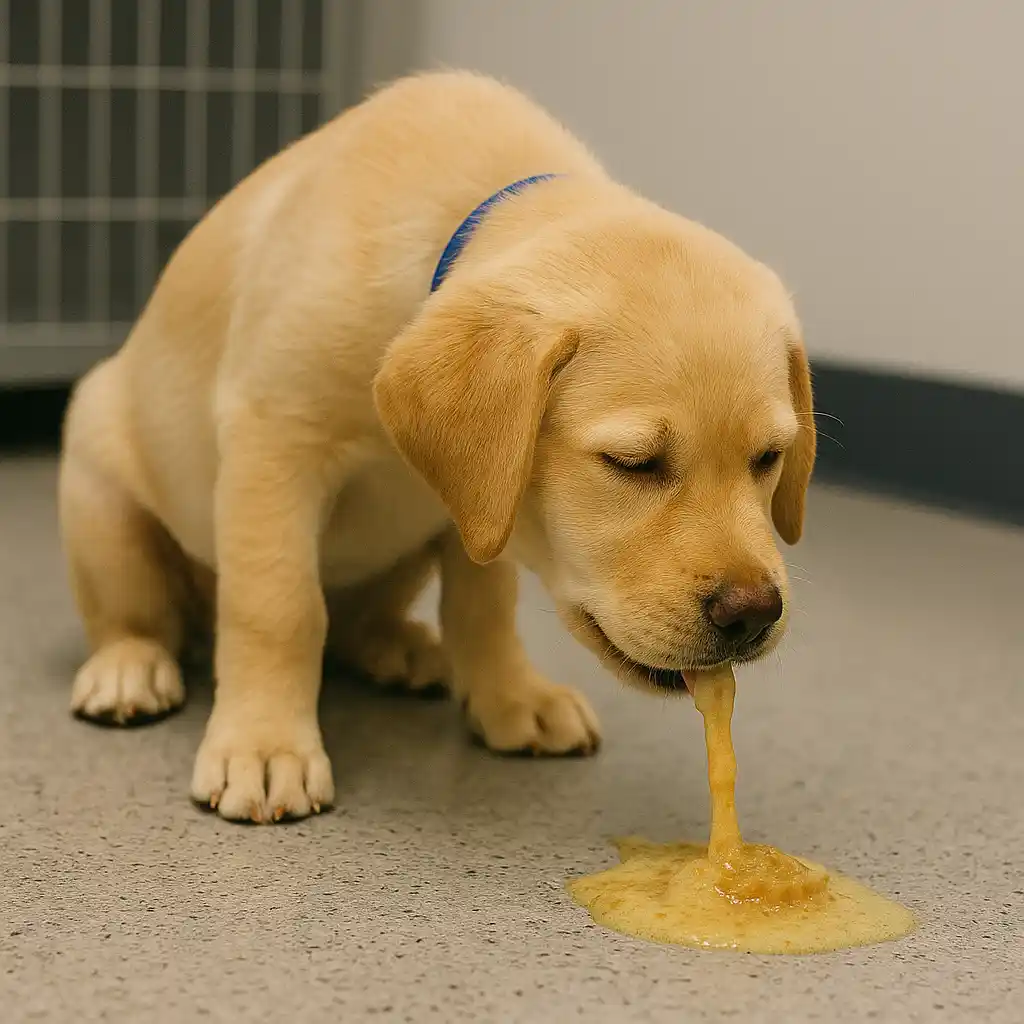
- Occasional vomiting or bloating
If you’re wondering about your dog’s condition, watch for these symptoms within the first few days of recovery, and learn how to Relieve Digestive Issues safely.
Safe Home Remedies for Dog Constipation
1. Hydration First
Dehydration is one of the main causes of constipation. Encourage your dog to drink fresh water by:
- Offering bowls in multiple places
- Adding ice cubes or low-sodium chicken broth to water
- Feeding canned food with higher moisture
2. Pumpkin Puree
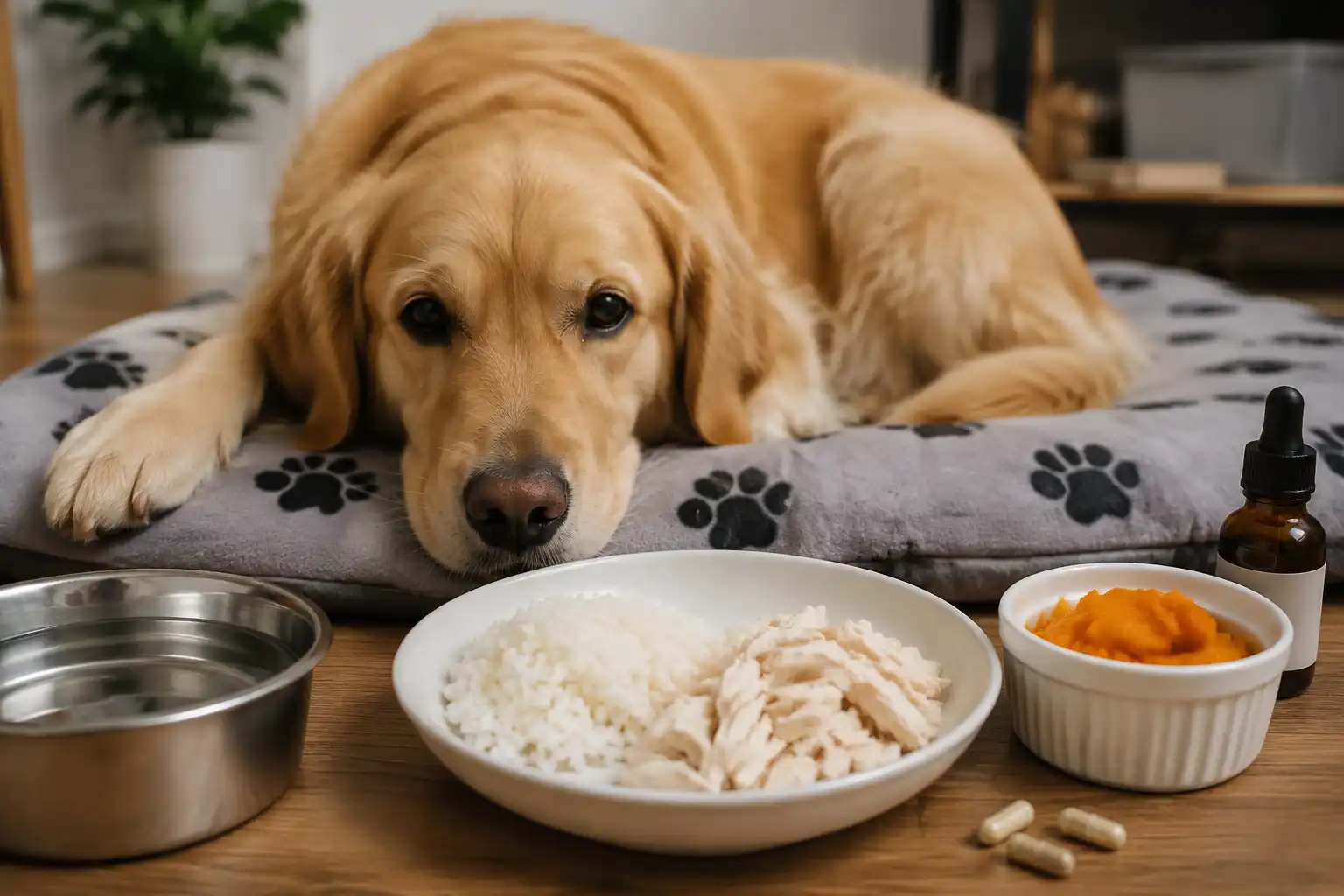
Plain canned pumpkin is rich in fiber and safe for dogs. Add 1–2 teaspoons (for small dogs) or 1–2 tablespoons (for larger dogs) to meals.
3. Olive Oil or Coconut Oil
A small amount of healthy oil can lubricate the stool. Add ½ teaspoon for small dogs and 1 tablespoon for large dogs into food once daily.
4. Gentle Exercise
Even short walks can stimulate bowel movements. Once your vet clears light activity, incorporate 5–10 minute strolls.
5. Probiotics
Veterinarians often recommend probiotics to restore gut health. These help regulate stool consistency and ease digestion.
When to Visit the Vet
While home remedies can work, there are situations where professional help is needed:
- No bowel movement for more than 48 hours
- Signs of severe pain or crying
- Presence of blood in stool
- Persistent vomiting or bloating
- Lethargy with refusal to eat
In such cases, visit a Veterinary Clinic Abu Dhabi or your nearest pet hospital. Professional treatment may include stool softeners, enemas, or adjusting post-surgery medications.
Preventing Constipation in Dogs
Prevention is easier than treatment. Follow these steps to avoid constipation during recovery and beyond:
- Ensure constant access to clean water.
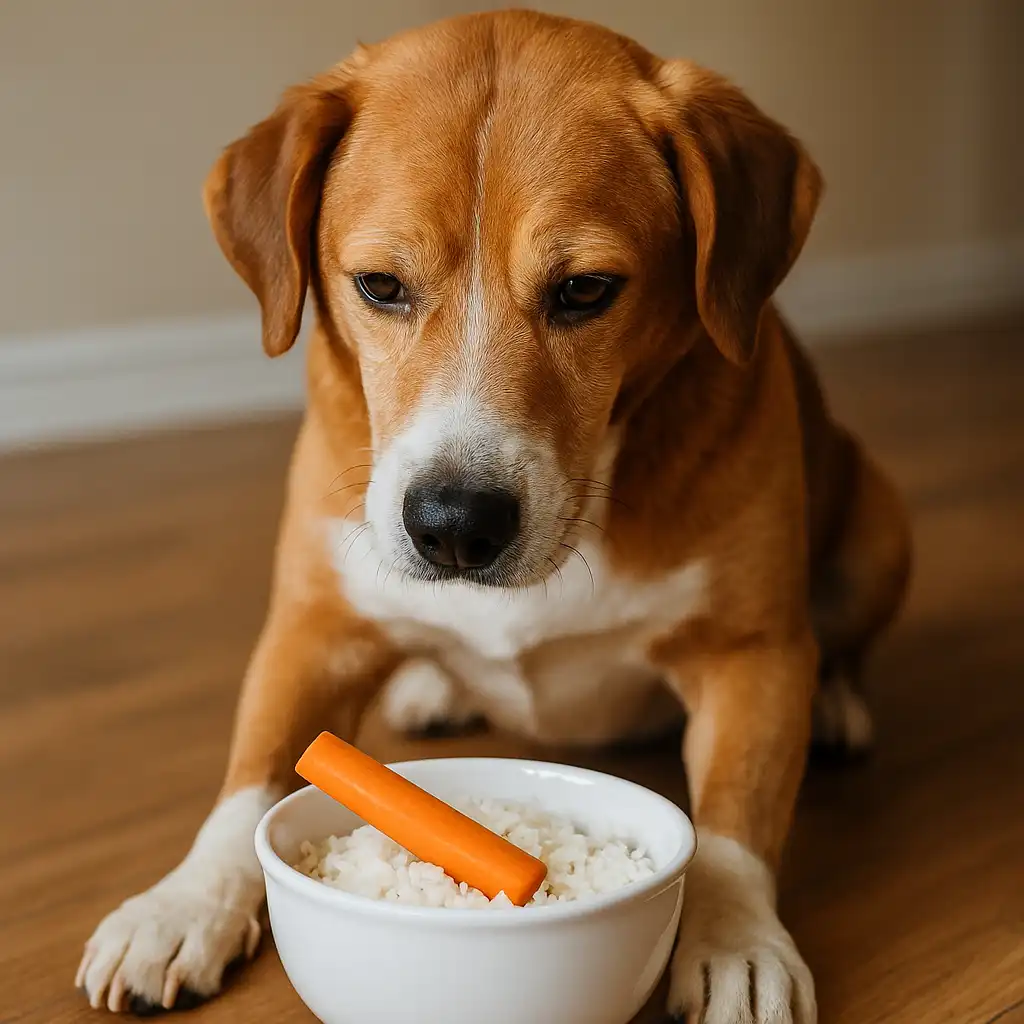
- Add fiber to meals (pumpkin, carrots, green beans).
- Stick to a consistent feeding schedule.
- Keep your dog active with short walks.
- Schedule regular check-ups with your vet.
Maintaining good hygiene also plays a role. Professional services like Pet Grooming Abu Dhabi ensure your dog remains comfortable, clean, and stress-free, reducing additional health risks that may contribute to digestive issues.
The Role of Diet and Recovery Care
A balanced diet is vital for a smooth recovery. Dogs who eat a mixture of fiber-rich foods, lean proteins, and probiotics are less likely to suffer from constipation. Consider:
- Switching to wet food during recovery.
- Avoiding bones or overly dry kibble.
- Offering small, frequent meals instead of one large serving.
Long-term care ensures that once your dog recovers, constipation does not become a recurring issue.
Final Thoughts
Constipation after surgery can be uncomfortable for both you and your pet. Understanding the causes, recognizing symptoms, and applying safe home remedies can make a big difference. For a dog constipated after surgery, hydration, diet adjustments, and gentle activity are usually effective.
If symptoms persist, don’t delay professional care. Visiting a vet ensures your dog receives proper treatment and avoids complications. With a mix of home remedies and professional support, you can help your furry companion recover smoothly and comfortably.