
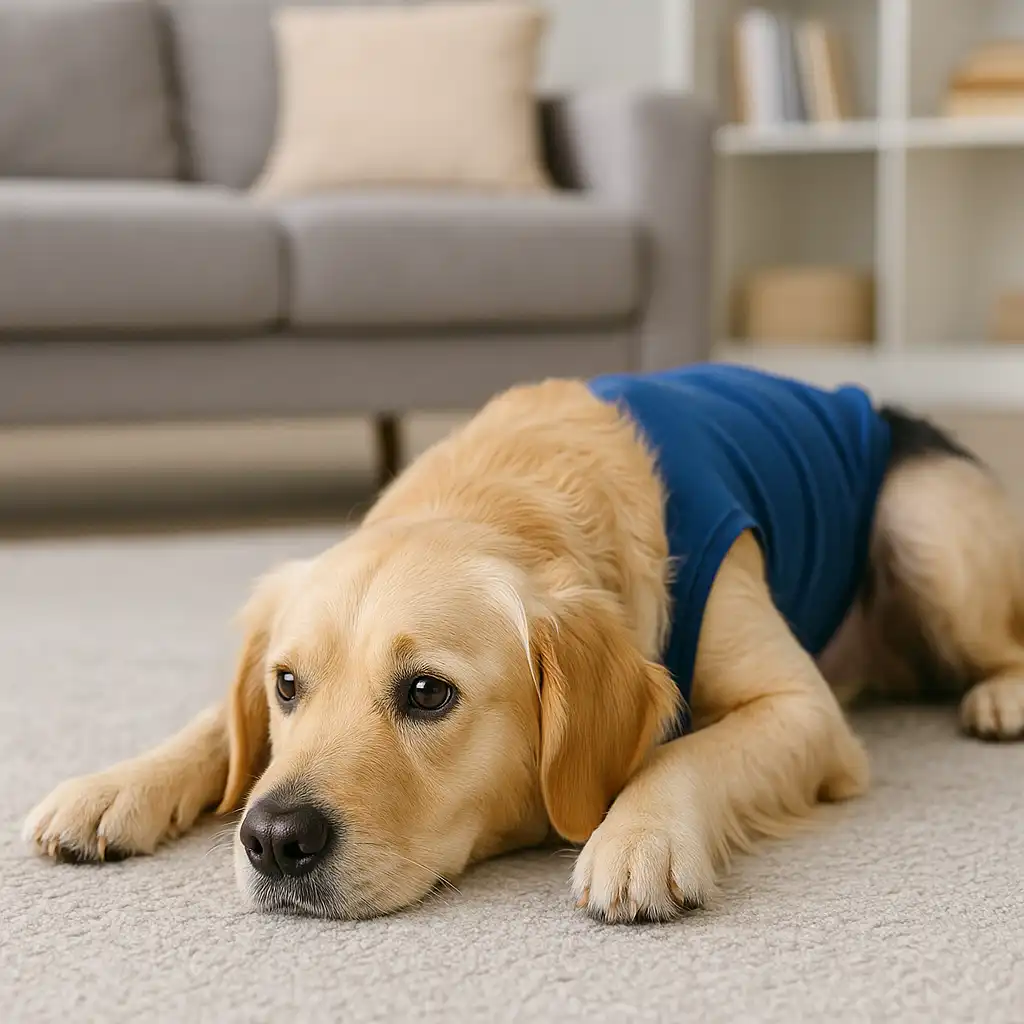


Post-surgical recovery in pets requires patience and close monitoring. One of the most common concerns dog owners face is constipation.why is my dog constipated after surgery and how can I help?
According to the American Veterinary Medical Association (AVMA), over 40% of dogs experience temporary digestive issues after anesthesia or pain medication. Constipation can delay recovery, cause discomfort, and even lead to complications if left untreated. In this guide, we’ll explore the reasons, prevention tips, and safe remedies to support your dog’s digestion after surgery.
Why Does Constipation Happen After Surgery?
Surgery affects multiple body systems, and bowel movement is often disrupted due to:
- Anesthesia: Slows down intestinal contractions.
- Pain medications: Opioids and other drugs commonly cause constipation.
- Reduced mobility: Dogs move less during recovery, leading to slower digestion.
- Dehydration: Limited water intake can harden stools.
- Dietary changes: Soft foods or fasting before surgery may affect normal patterns.
Each factor contributes to sluggish digestion, making post-operative care critical.
Signs Your Dog May Be Constipated
- Straining without passing stool
- Hard, dry stools
- Whining or showing discomfort while trying to defecate
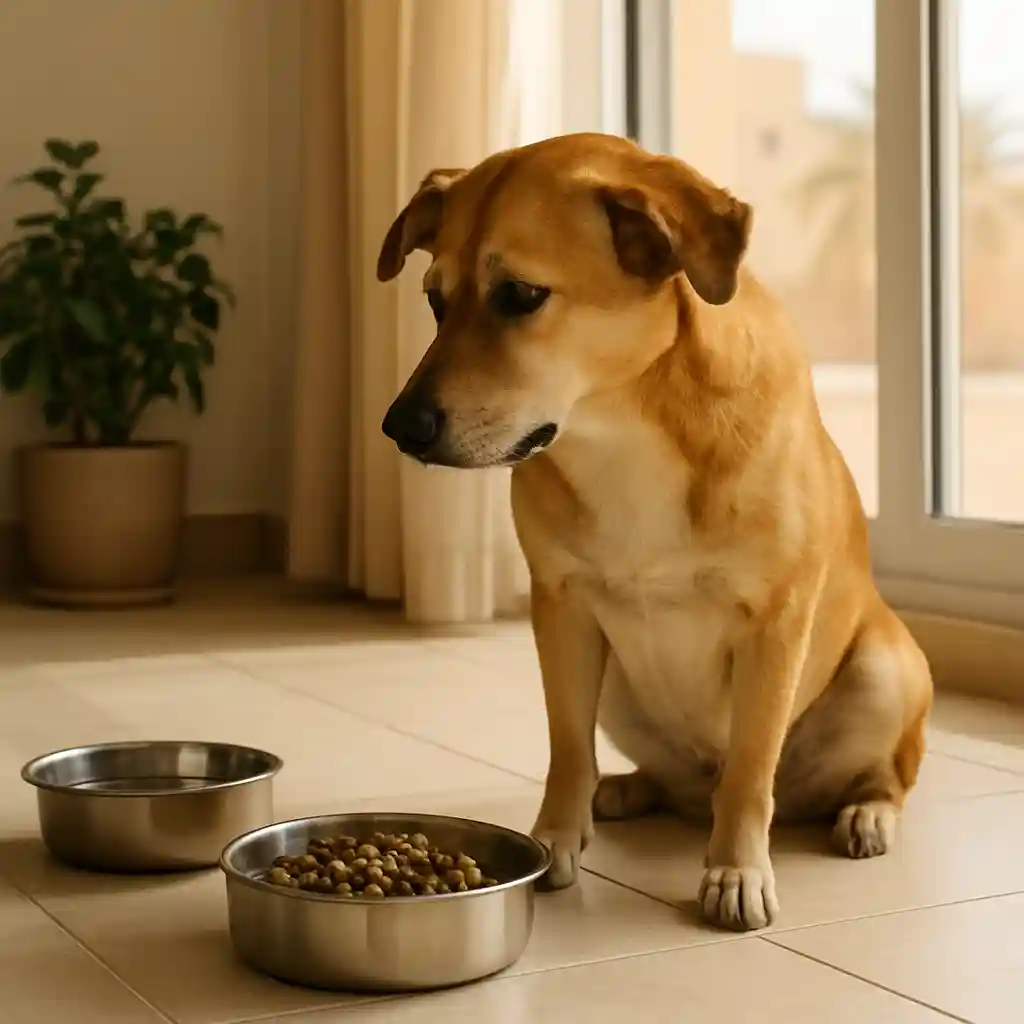
- Decreased appetite
- Restlessness or lethargy
Veterinarians caution that constipation lasting more than 48 hours should not be ignored, as it may point to a more serious complication.
Proven Ways to Relieve Constipation Safely
- Post-Surgery Diet Adjustment
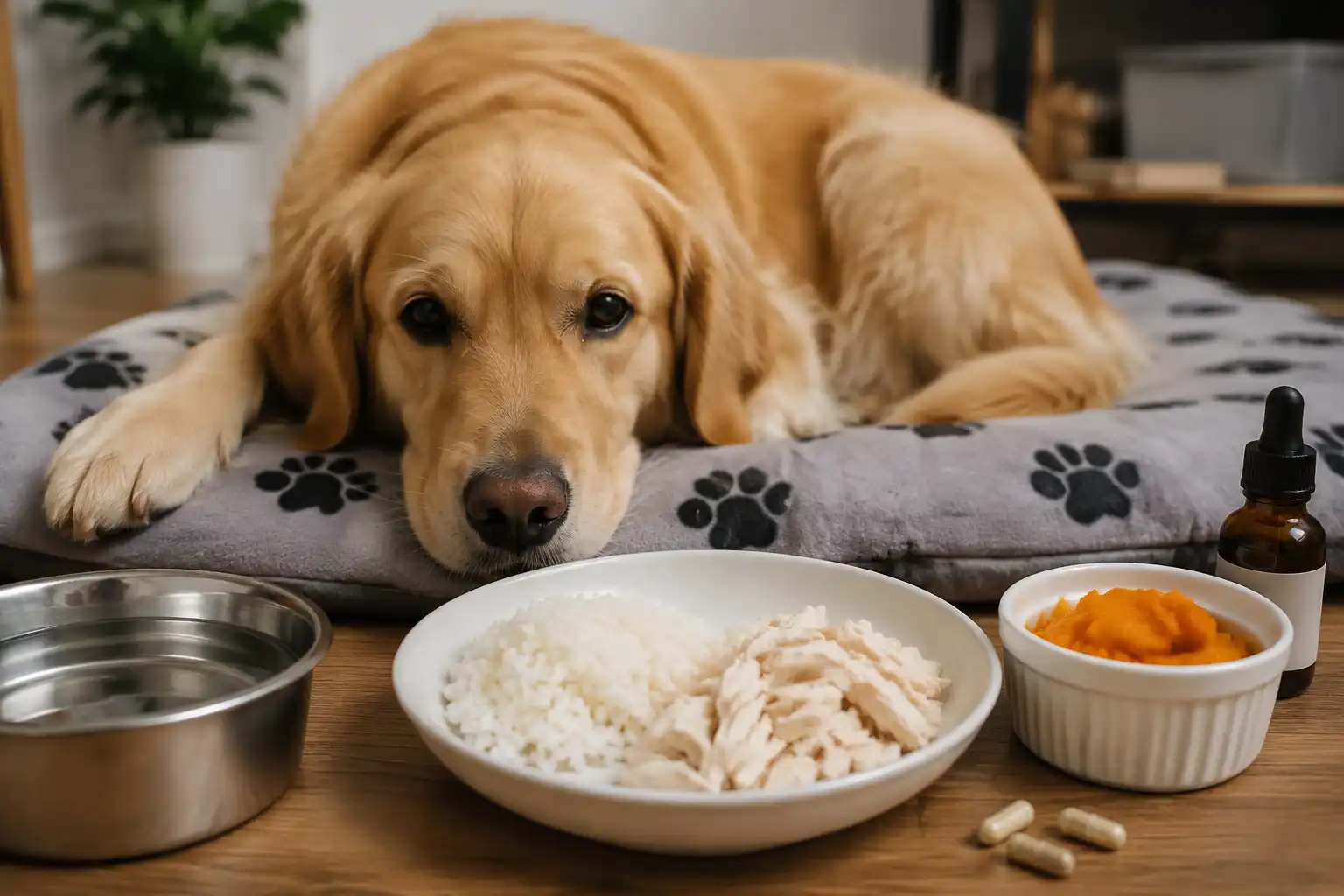
Feed easily digestible meals such as boiled chicken and rice. Gradually reintroduce regular kibble as healing progresses. - Hydration Is Key
Encourage frequent drinking. Add water to meals or provide ice cubes as a treat. Dehydration is the fastest way to worsen constipation. - Fiber-Rich Foods
Mixing canned pumpkin, sweet potato, or bran into food can stimulate bowel movement. Veterinary studies show that fiber improves stool consistency within 24–48 hours. - Light Exercise
Short, gentle walks help stimulate digestion and bowel contractions. Avoid strenuous activity until your vet approves. - Stool Softeners or Laxatives
Only give vet-prescribed medications. Never self-medicate, as some human products are toxic to dogs.
When to Seek Veterinary Help
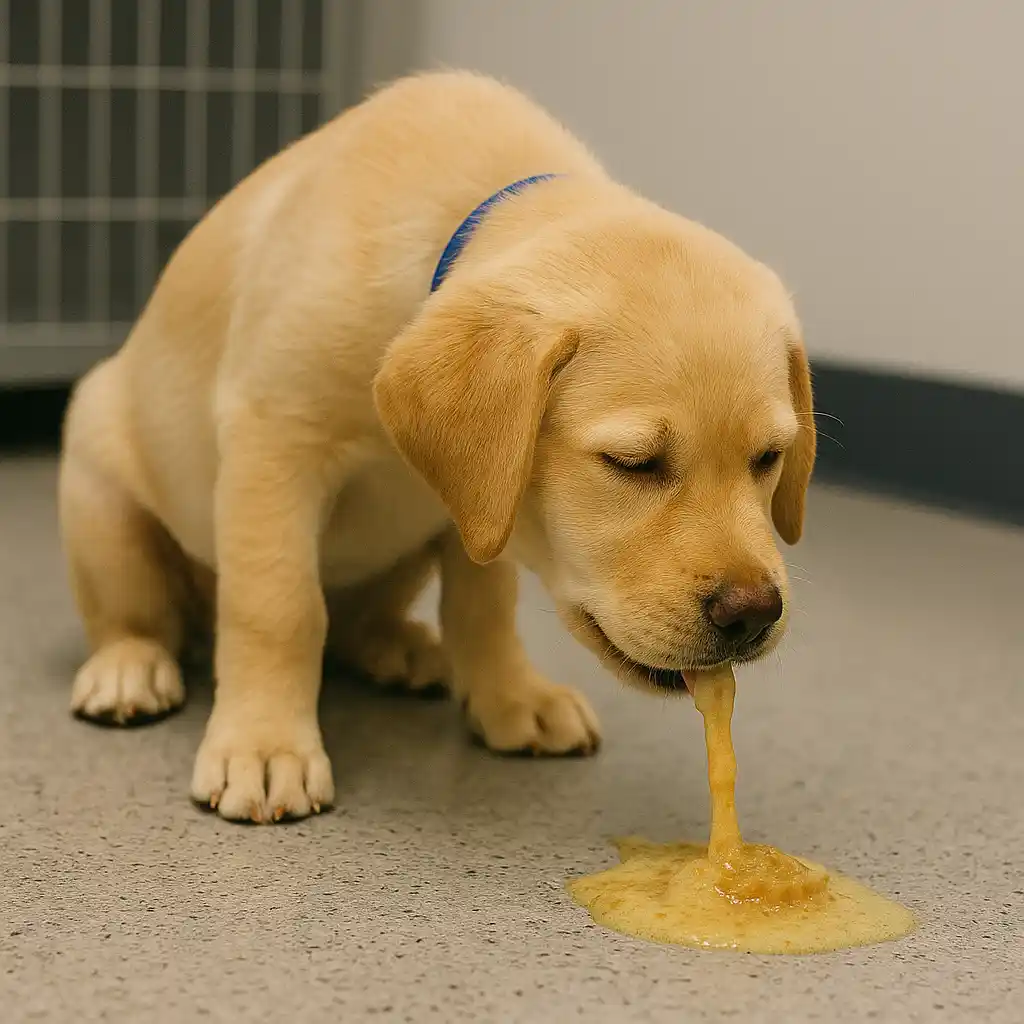
If constipation persists beyond two days or is accompanied by vomiting, abdominal swelling, or refusal to eat, consult your vet immediately. Some dogs may need an enema or professional intervention.
Local services such as Veterinary Clinic Abu Dhabi provide specialized post-surgical digestive support, including safe hydration therapy and medication adjustments.
The Role of Grooming in Recovery
While digestion is the primary concern, overall comfort matters during healing. Services like Pet Grooming Abu Dhabi ensure your dog stays clean and stress-free when physical activity is limited. Grooming can also help monitor for swelling, pain, or infection around surgical sites, since groomers often notice subtle changes in behavior or posture.
Emergency Situations
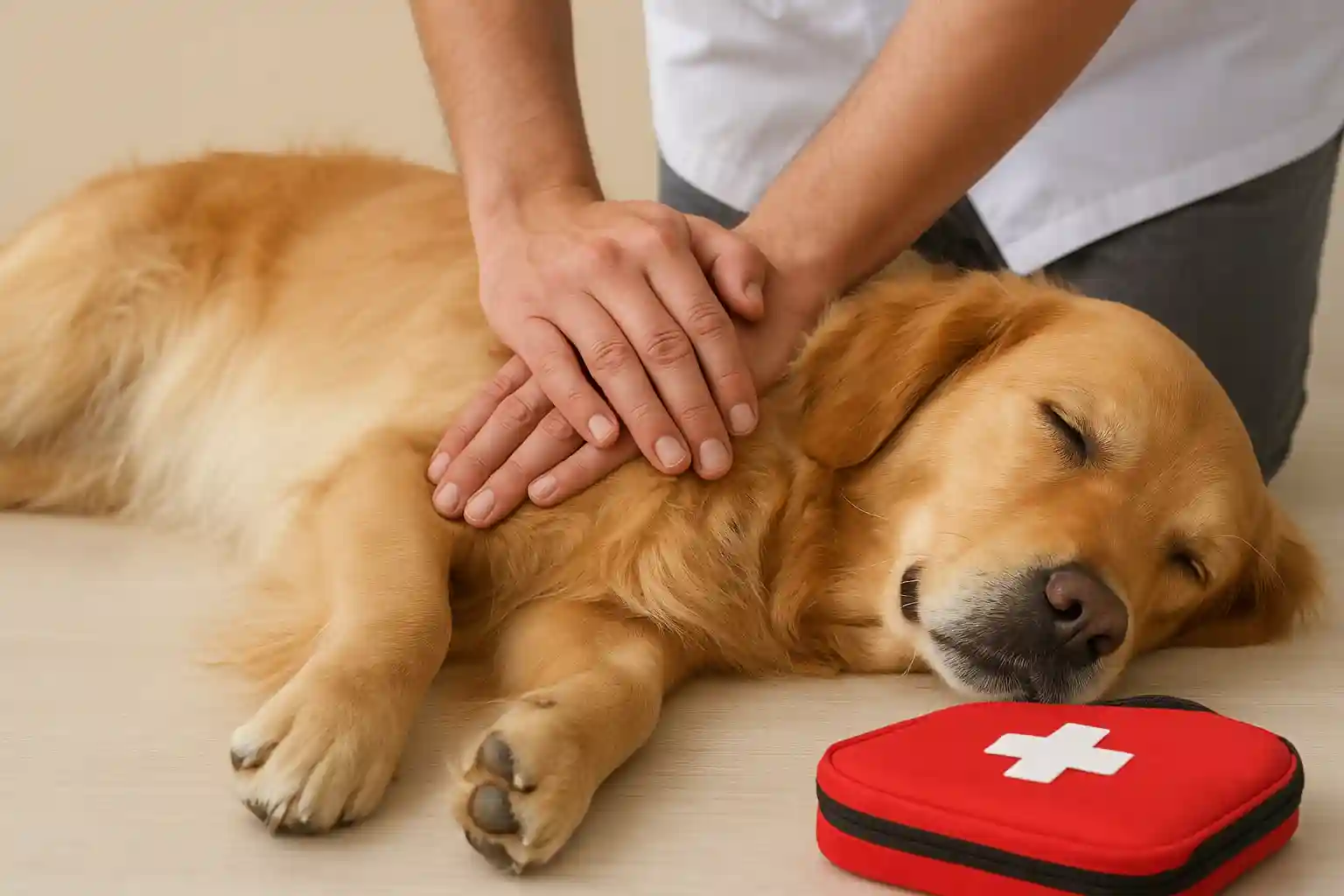
Sometimes, constipation may signal a serious complication like bowel obstruction or drug overdose. In such cases, Pet Emergency Care is essential. Emergency vets can provide imaging, IV fluids, and surgical correction if necessary. Quick action ensures your dog’s condition does not worsen.
Special Considerations for Socialization
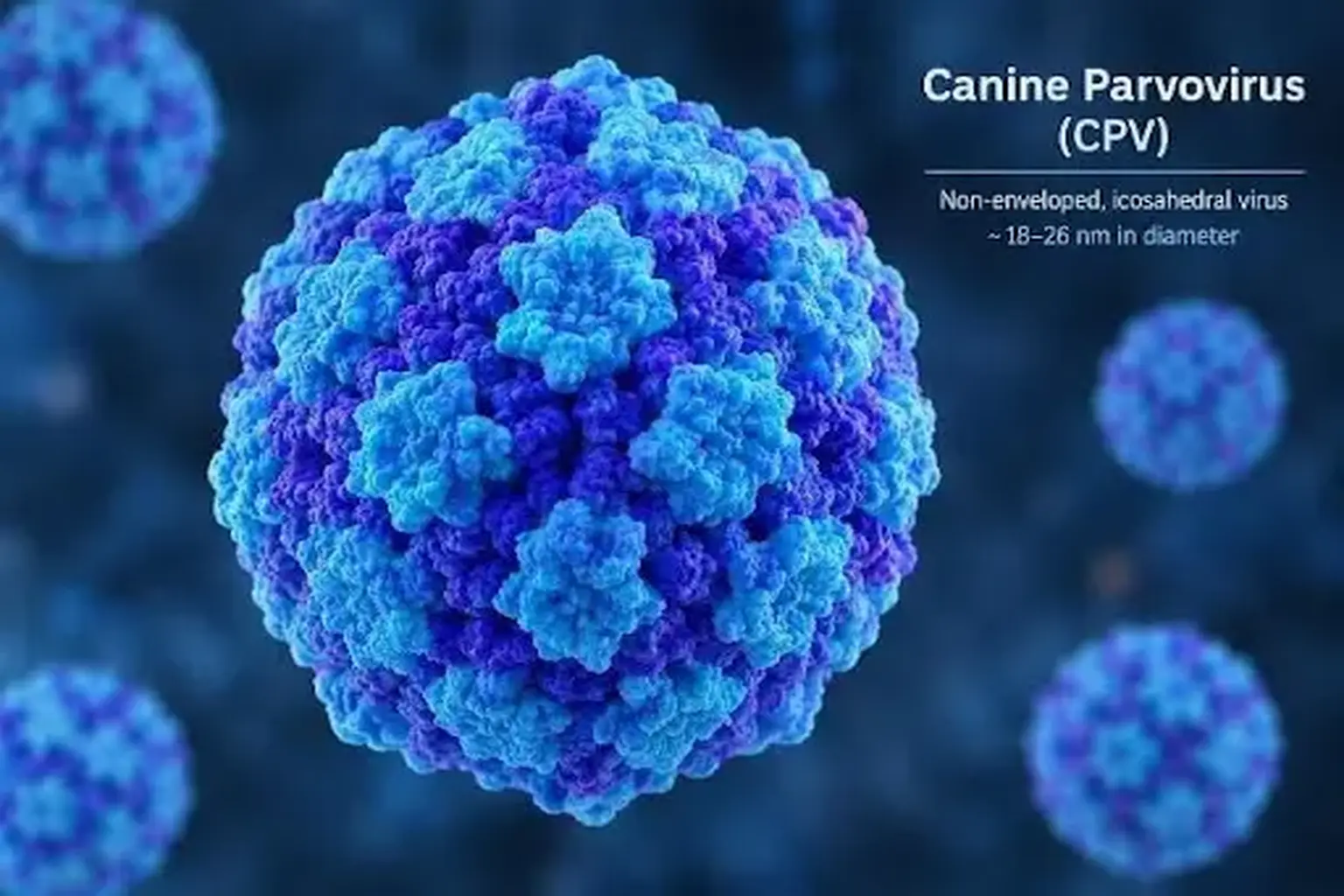
If your recovering dog interacts with others, take extra precautions. For example, allowing an unvaccinated dog with vaccinated dog in close contact during recovery may pose infection risks, especially when your pet’s immune system is weakened from surgery. Always check vaccination records and limit exposure during the healing phase.
Long-Term Digestive Health After Surgery
To prevent future constipation episodes:
- Stick to a regular feeding schedule
- Provide fresh water at all times
- Incorporate natural fiber sources in meals
- Maintain routine vet check-ups
- Encourage safe, light activity post-recovery
Conclusion
It’s common for a dog constipated after surgery to experience discomfort, but with hydration, fiber, exercise, and vet-prescribed treatments, recovery can be smooth. Services like Veterinary Clinic Abu Dhabi, Pet Grooming Abu Dhabi, and Pet Emergency Care offer comprehensive support for both minor and serious cases.
Be mindful of your dog’s social interactions as well—mixing an unvaccinated dog with vaccinated dog during recovery can increase health risks. With careful attention and proven remedies, you can ensure your pet’s digestive system returns to normal, promoting a faster, healthier recovery.
A well-cared-for digestive system means your dog will heal comfortably and return to their playful self sooner.