








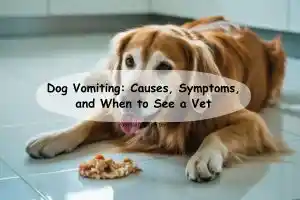
Dog vomiting is a common concern for many pet owners. Whether your dog vomits occasionally or shows chronic symptoms like dog vomiting yellow bile not eating or dog vomiting blood, understanding the causes and knowing when to seek professional help is critical for your pet’s health. This guide will help you identify why your dog might be vomiting and what you should do next.

Why Do Dogs Vomit?
Vomiting in dogs can occur for many reasons, ranging from mild digestive upsets to serious health problems. Some common causes of vomiting include:
- Dietary indiscretion: Dogs often eat things they shouldn’t, such as spoiled food or foreign objects.
- Gastrointestinal irritation: This may result from eating grass (why dogs eat grass to vomit) or sudden changes in diet.
- Infections and parasites: Viruses, bacteria, and intestinal worms frequently trigger dog vomiting and diarrhoea. Regular Dog Deworming in Abu Dhabi is essential to prevent parasite-related vomiting and keep your dog healthy.
- Toxins: Ingesting toxic plants, chemicals, or certain human foods can cause vomiting.
- Motion sickness: Some dogs vomit in the car, especially puppies.
- Chronic diseases: Kidney failure, liver disease, or pancreatitis can lead to chronic vomiting in dogs.
- Pregnancy: You may wonder, do dogs vomit when they are pregnant? Mild nausea in early pregnancy can occur.
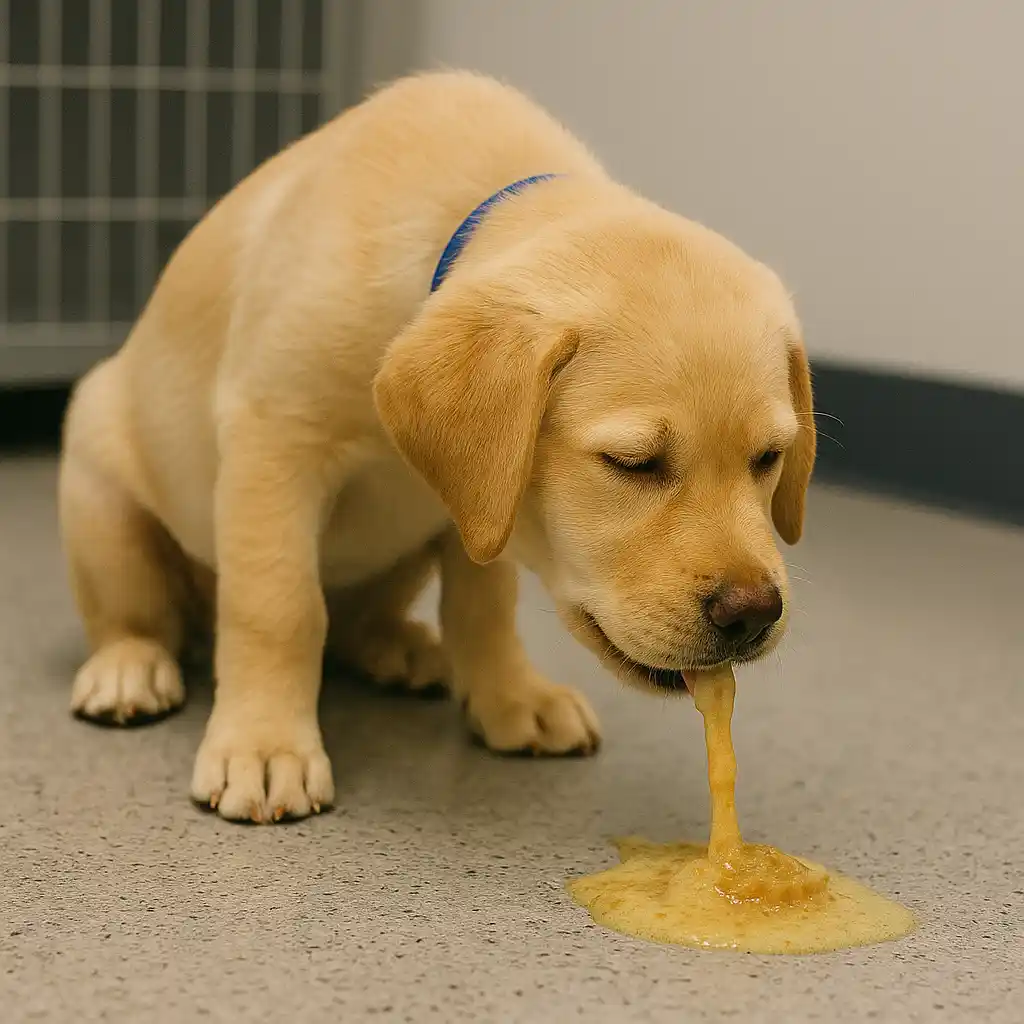
- Bilious vomiting syndrome: When dogs vomit yellow bile, especially on an empty stomach.
If you notice dog vomiting yellow, bright yellow dog vomit, or dog vomiting dark brown mucus, take note of when and how often it happens.
Symptoms to Watch
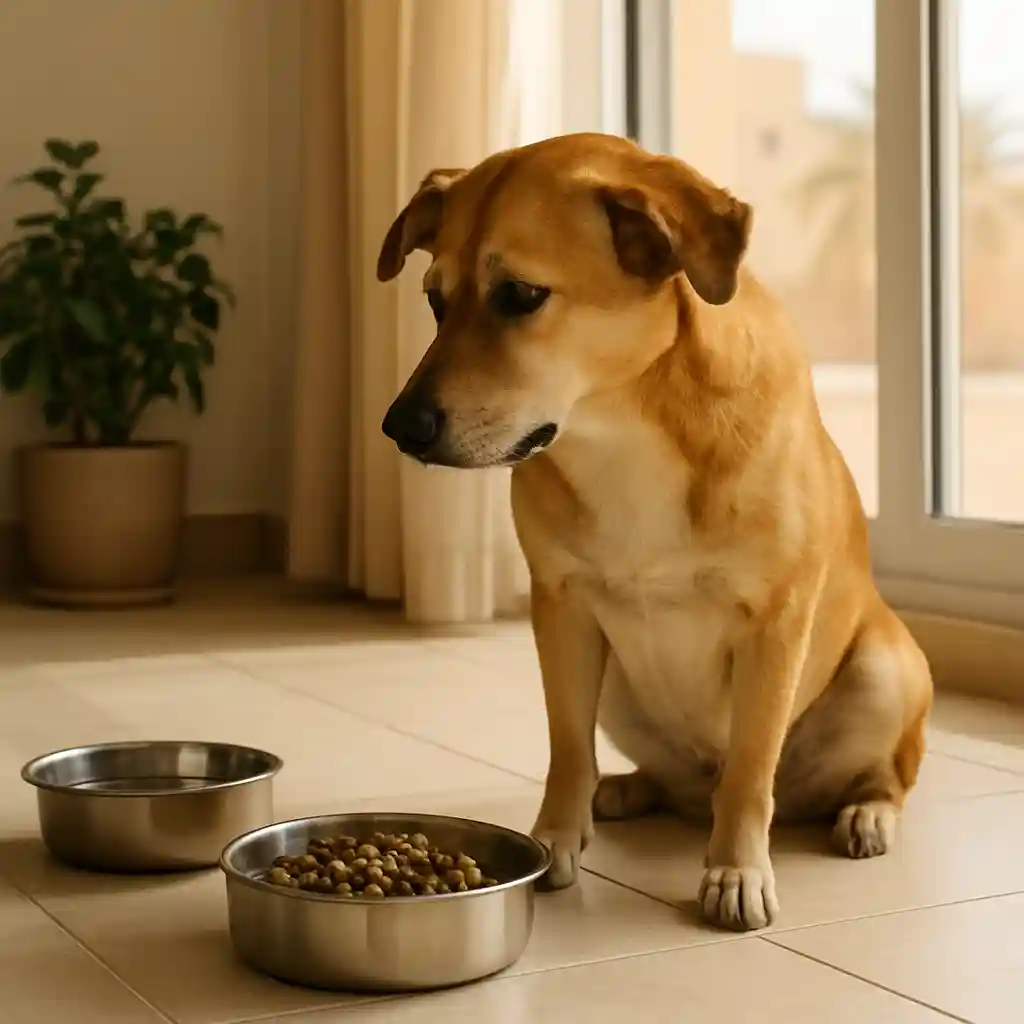
Some dogs vomit occasionally and remain active and happy. However, vomiting paired with other symptoms can signal a serious issue:
- Lethargy
- Diarrhea
- Blood in vomit or stool (dog vomiting blood and diarrhea, dog pooping blood and vomiting)
- Shaking or trembling after vomiting
- Severe dehydration (dog dehydration vomiting)
- Repeated vomiting (dog vomited 5 times today)
- Not eating or drinking
- Vomiting undigested food repeatedly
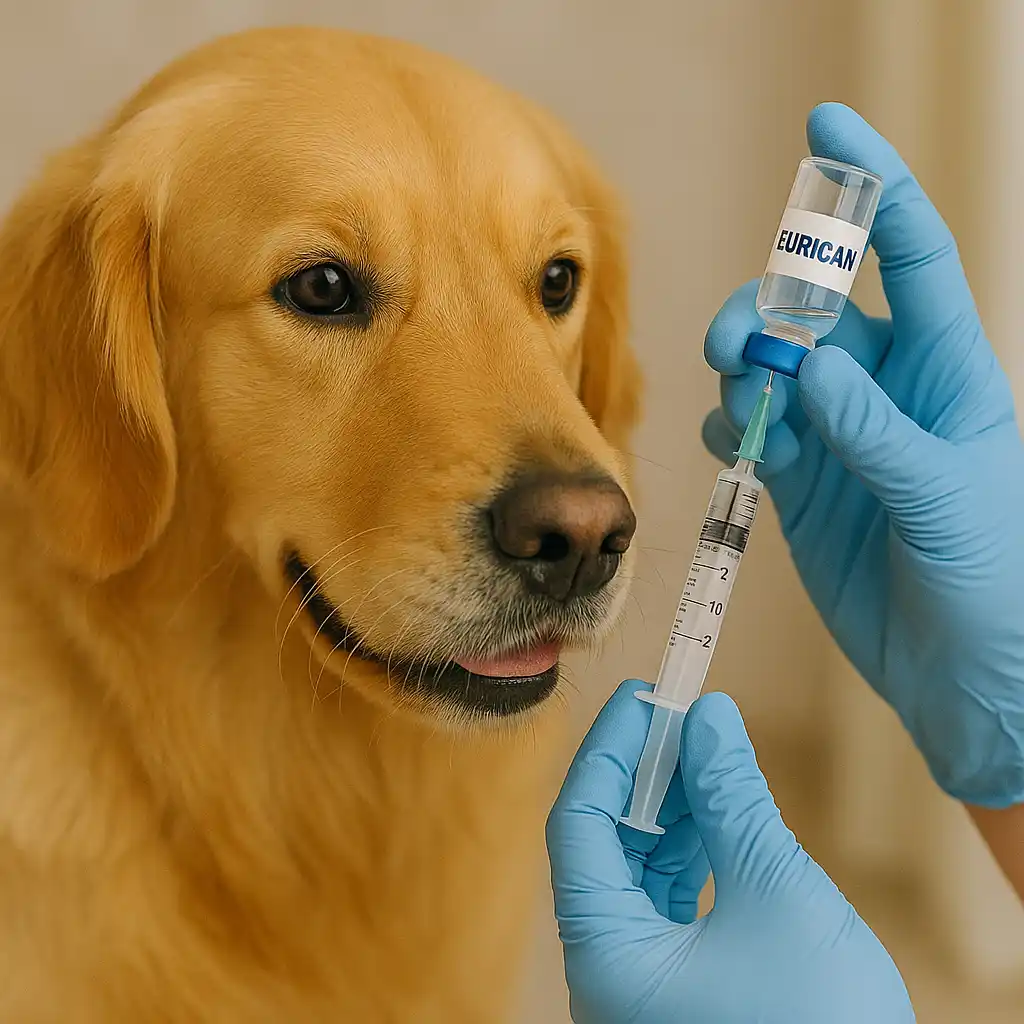
If your dog shows any of these warning signs, you should contact a vet without delay. Scheduling Dog Routine Health Checkups can also help detect underlying issues early, before vomiting becomes severe.
Types and Colors of Dog Vomit
The appearance of your dog’s vomit can provide important clues:
- Yellow or green vomit: Usually bile, often seen when the stomach is empty.
- White foam: Can occur with an upset stomach or acid reflux (dog vomiting white foam).
- Brown vomit: May indicate digested blood or ingested dirt (brown dog vomit).
- Red streaks: Fresh blood (small amount of blood in vomit dog).
- Undigested food: Regurgitation rather than true vomiting (dog vomiting undigested food).
What to Do If Your Dog Is Vomiting
If your dog vomits once but seems otherwise normal:
- Remove food for 6–12 hours, but ensure access to fresh water.
- After the fasting period, offer a bland diet for dogs after vomiting, such as boiled chicken and rice.
- Reintroduce regular food slowly over a few days.
- Monitor for recurring symptoms.
When to See a Vet:
Contact a professional if your dog:
- Has repeated vomiting for over 24 hours.
- Vomits blood or has black, tar-like stool.
- Is extremely lethargic or unresponsive.
- Has severe abdominal pain or bloating.
- Is a puppy, senior dog, or has pre-existing health conditions.
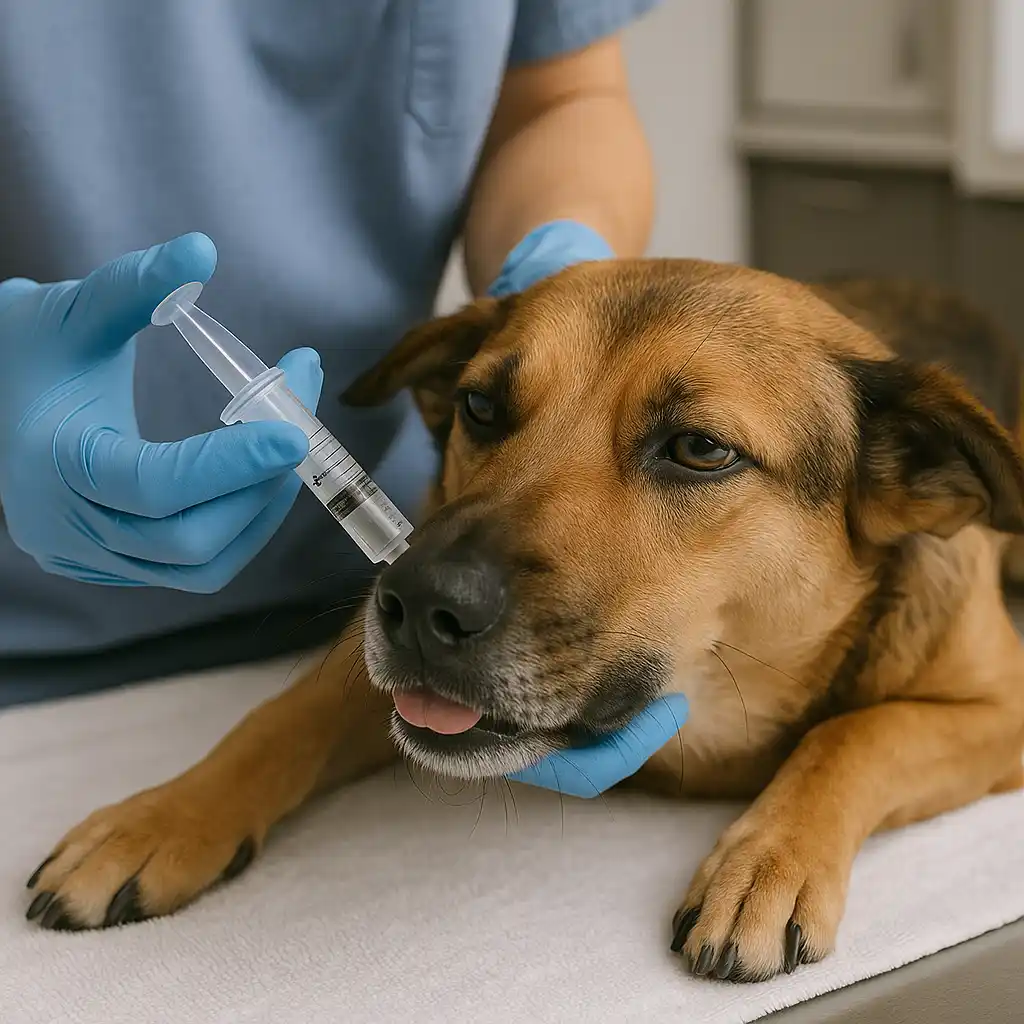
If you are in Abu Dhabi and need prompt veterinary care, consider visiting the Best Veterinary Clinic Abu Dhabi for experienced help.
How to Prevent Vomiting
- Avoid sudden diet changes.
- Keep trash and harmful substances out of reach.
- Use appropriate parasite preventatives and maintain regular Dog Deworming in Abu Dhabi to protect against internal worms.
- Feed smaller, frequent meals if prone to bilious vomiting.
- Book Dog Routine Health Checkups to monitor your dog’s wellbeing.
If your dog often vomits after eating or has a sensitive stomach, you may want to explore the best dog food for sensitive stomach vomiting options recommended by your vet.
FAQs About Dog Vomiting
Why does my dog vomit water after drinking?
This can be due to drinking too quickly or underlying digestive issues.
How often do dogs vomit?
Occasional vomiting is not unusual, but chronic or frequent vomiting warrants a vet check.
Can I give my dog Pepto Bismol for vomiting?
Always consult your veterinarian before giving any over-the-counter medications.
How can I induce vomiting in my dog if they ate something toxic?
Never induce vomiting without veterinary guidance. Some substances are more dangerous coming back up.
Related Topics and Internal Resources
For more care tips and professional services, explore these resources from Pet’s Oasis Abu Dhabi:
Final Thoughts
While dog vomiting can be unsettling, many cases resolve on their own. However, persistent vomiting, blood in vomit, or severe symptoms require immediate veterinary attention.
If you’re concerned about your dog’s health, don’t hesitate to reach out to the Best Veterinary Clinic Abu Dhabi. Their expert team offers Dog Routine Health Checkups, Dog Deworming, and advanced treatments to keep your pet happy and healthy.