






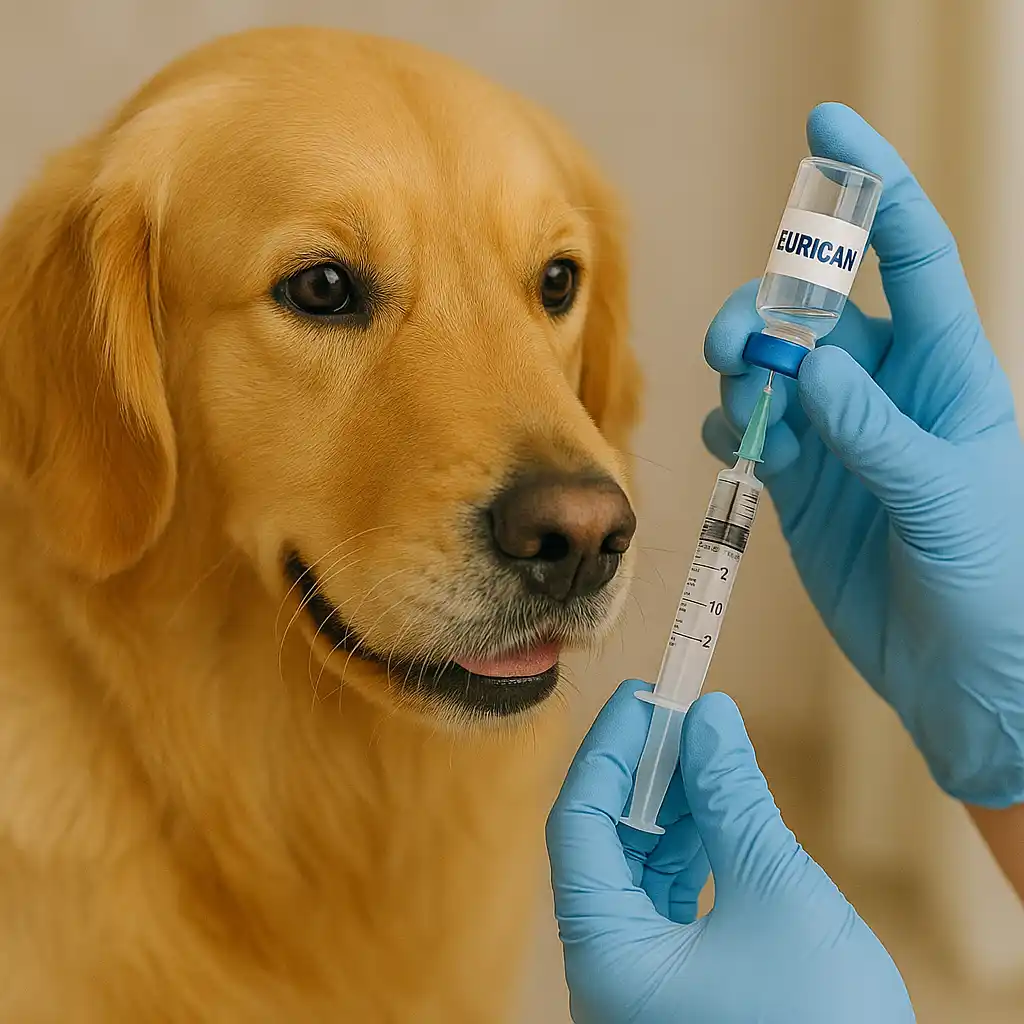


What Is Addison’s Disease in Dogs, and why is it so easy to miss? The team at Pets Oasis, a veterinary clinic in Abu Dhabi, explains the symptoms, tests and treatment in plain language.
Addison’s disease is uncommon, but its early signs, such as tiredness and an upset stomach, look like many everyday problems. Knowing what to watch for helps your dog get diagnosed before a serious crisis develops.
What Is Addison’s Disease in Dogs?
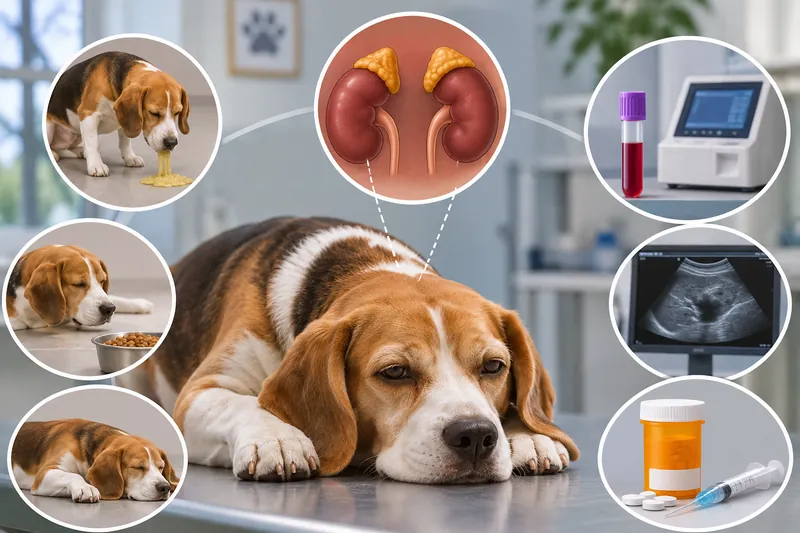
So, what is Addison’s disease? Also called hypoadrenocorticism, it happens when the adrenal glands, two small glands near the kidneys, do not make enough of the hormones cortisol and aldosterone.
Cortisol helps the body cope with stress. Aldosterone keeps sodium, potassium and fluid levels balanced. Without enough of either, a dog can become weak, dehydrated and seriously ill.
It is most often diagnosed in young to middle-aged dogs. Breeds such as standard poodles, Portuguese water dogs, Great Danes and Rottweilers are predisposed, but any dog can be affected.
What Causes Addison’s Disease in Dogs?
The most common cause of Addison’s disease in dogs is immune-mediated adrenal gland damage. This happens when the dog’s immune system mistakenly attacks and destroys the adrenal tissue responsible for producing essential hormones. Some breeds may have a genetic predisposition to the condition, but any dog can develop it.
Less commonly, Addison’s disease can result from damage to the adrenal glands caused by certain medications, infections, or other underlying conditions. For example, medications used to treat Cushing’s disease may affect adrenal function if they suppress hormone production too much.
In many dogs, the exact cause cannot be identified.
Common Symptoms of Addison’s Disease in Dogs
Signs are vague and often come and go, which is why vets call the disease the “great pretender.” Watch for:
- Tiredness or low energy
- Reduced appetite or weight loss
- Vomiting or diarrhoea
- Weakness, shaking or a hunched posture
- Increased thirst and urination
Symptoms may improve for a while, then return, especially after stress such as boarding or travel. If your dog keeps skipping meals, our guide to loss of appetite in dogs explains when it is time to see a vet.
What Is an Addisonian Crisis?
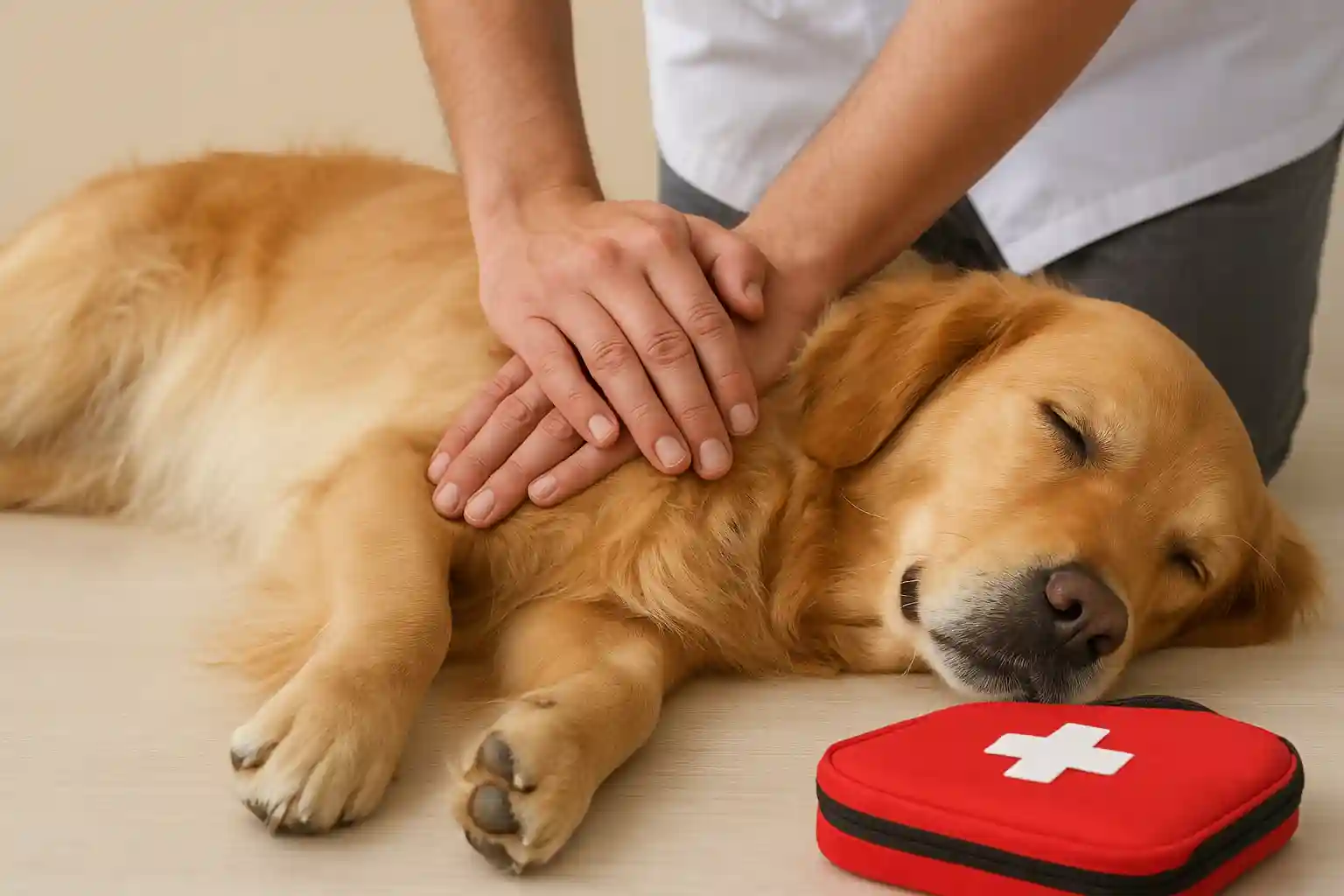
An Addisonian crisis is a sudden, severe drop in hormone levels. The dog may collapse, become extremely weak, vomit repeatedly or go into shock.
This is a life-threatening emergency. Go straight to an emergency vet rather than waiting to see if your dog improves.
How Do Vets Diagnose Addison’s Disease in Dogs?
Your vet will review your dog’s history, perform a physical exam and run blood and urine tests. A typical pattern is low sodium and high potassium, though some dogs with “atypical” Addison’s have normal electrolytes because only cortisol is affected.
Because other illnesses can cause similar signs, X-rays or ultrasound may also be used to rule them out. A clinic with in-house laboratory and imaging can speed up this step.
How to Test for Addison’s Disease in Dogs
A resting cortisol blood test is a useful screening step. A very low result raises suspicion but does not confirm the disease.
Confirmation needs an ACTH stimulation test. Your vet takes a blood sample, gives a dose of ACTH (the hormone that tells the adrenal glands to make cortisol), then takes a second sample after a set time, usually about an hour. A dog with Addison’s disease makes little or no cortisol in response.
Tell your vet about any steroid medication your dog has had, as it can affect the result.
How to Treat Addison’s Disease in Dogs
If your dog is in crisis, treatment starts in the hospital with intravenous fluids, hormone replacement and close monitoring.
Once stable, treatment replaces the missing hormones for life:
- Cortisol replacement: usually a daily prednisone tablet.
- Aldosterone replacement: in typical cases, a monthly injection (DOCP) or a daily tablet.
Your vet will adjust doses using follow-up blood tests, so keep routine health check-ups on schedule. Never change or stop medication without veterinary advice, and ask whether your dog needs extra cover during stressful events.
Can Dogs Live a Normal Life with Addison’s Disease?
There is usually no definitive cure, but Addison’s disease is generally manageable with lifelong veterinary care. With appropriate treatment and monitoring, many dogs enjoy a good quality of life, as explained in this University of Illinois guide to Addison’s disease in dogs.
Outcomes vary between dogs, and no treatment can be guaranteed. Giving medication consistently and attending rechecks gives your dog the best chance.
When Should You Contact a Veterinarian?
Go to a vet immediately if your dog collapses, is extremely weak, or has repeated vomiting or diarrhoea.
Book an appointment if your dog has ongoing tiredness, poor appetite or stomach upsets that keep returning, even if they seem better between episodes.
Final Thoughts
A diagnosis of Addison’s disease can feel overwhelming, but it is a condition that vets know how to manage. Early recognition, the right tests and consistent daily care make a real difference.
If your dog shows any of the symptoms above, do not wait for them to pass. Contact Us to speak with a veterinarian about the next step. This article is general information and does not replace a veterinary examination.
FAQs
What are the early signs of Addison’s disease in dogs?
Early signs are often mild and vague: low energy, reduced appetite, occasional vomiting or loose stools, and weight loss. They may come and go, so they are easy to dismiss as a sensitive stomach.
Can Addison’s disease in dogs be cured?
There is usually no definitive cure. However, replacing the missing hormones for life controls the condition in most dogs.
How do vets test for Addison’s disease?
Vets start with blood and urine tests, including electrolytes and a resting cortisol level. The ACTH stimulation test is then used to confirm the diagnosis.
Is Addison’s disease painful for dogs?
It is not usually described as a painful disease in itself, but affected dogs can feel nauseous, weak and unwell, and a crisis is very distressing. If your dog seems uncomfortable, see a vet promptly.
How long can a dog live with Addison’s disease?
Many dogs that receive proper treatment and regular monitoring live for years with a good quality of life. Your vet can discuss what to expect for your dog, as no exact timeframe can be promised.
