

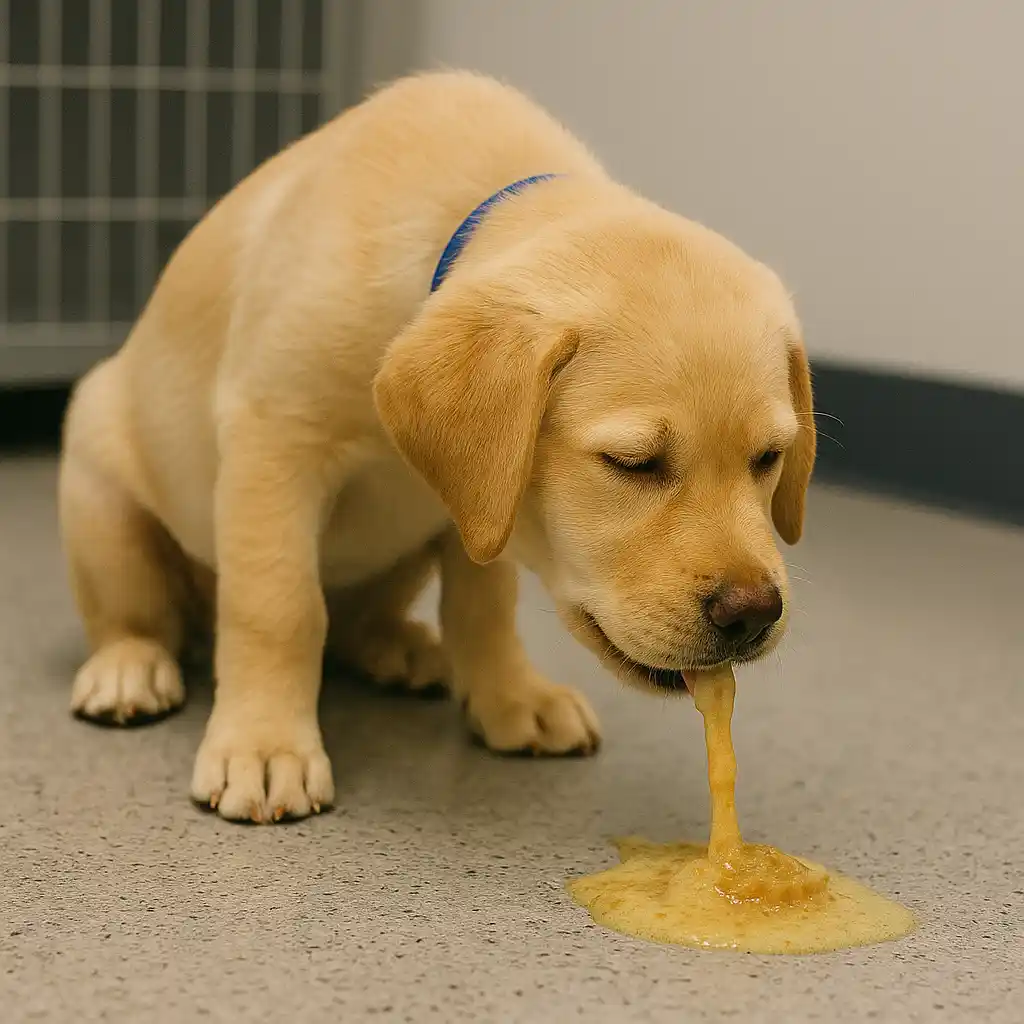


Watching your dog deal with diarrhea is stressful.
You want to help — fast.
But not every remedy on the internet is actually safe.
This guide breaks down exactly what to give dogs for diarrhea, what to avoid, and when a home remedy just isn’t enough anymore. At Pets Oasis, a trusted veterinary clinic in Abu Dhabi, this is one of the most common concerns pet owners bring to us, so we’ve put together everything you need to know.
Let’s get into it.
Why Do Dogs Get Diarrhea in the First Place?
Diarrhea isn’t a disease.
It’s a symptom.
It means your dog’s intestines aren’t absorbing water and nutrients the way they should.
Common Causes of Dog Diarrhea
- Dietary indiscretion — eating garbage, spoiled food, or table scraps
- Sudden food changes — switching diets too quickly
- Food intolerances or allergies
- Intestinal parasites — worms, giardia, coccidia
- Bacterial or viral infections
- Stress or anxiety — boarding, travel, loud environments
- Toxin or plant ingestion
- Underlying illness — pancreatitis, IBD, kidney or liver disease
Parasites are a particularly common culprit, and one that’s easy to miss without testing. If your dog hasn’t had a checkup recently, a routine deworming service can rule this cause out quickly.
Knowing the why matters, because the right remedy depends on the cause.
Is It Safe to Treat Dog Diarrhea at Home?
Sometimes, yes.
Mild diarrhea in an otherwise happy, active, eating-and-drinking dog often clears up in 24 to 48 hours with simple home care.
But home treatment is only appropriate when your dog:
- Is alert and behaving normally
- Isn’t vomiting repeatedly
- Has no blood in the stool
- Is still drinking water
- Isn’t a puppy, senior, or dog with an existing health condition
If any of those aren’t true, skip the home remedies and head straight to a vet.
What to Give Dogs for Diarrhea: Vet-Backed Remedies
Here’s what actually helps — and why it works.
1. A Short Fast (For Healthy Adult Dogs Only)
Withholding food for 12 to 24 hours can give the gut a chance to settle.
- Always keep fresh water available
- Never fast puppies, seniors, or dogs with medical conditions
- Skip this step entirely if your vet hasn’t approved it
Many vets today lean toward early, gentle feeding rather than long fasts, so check with your veterinarian before withholding food.
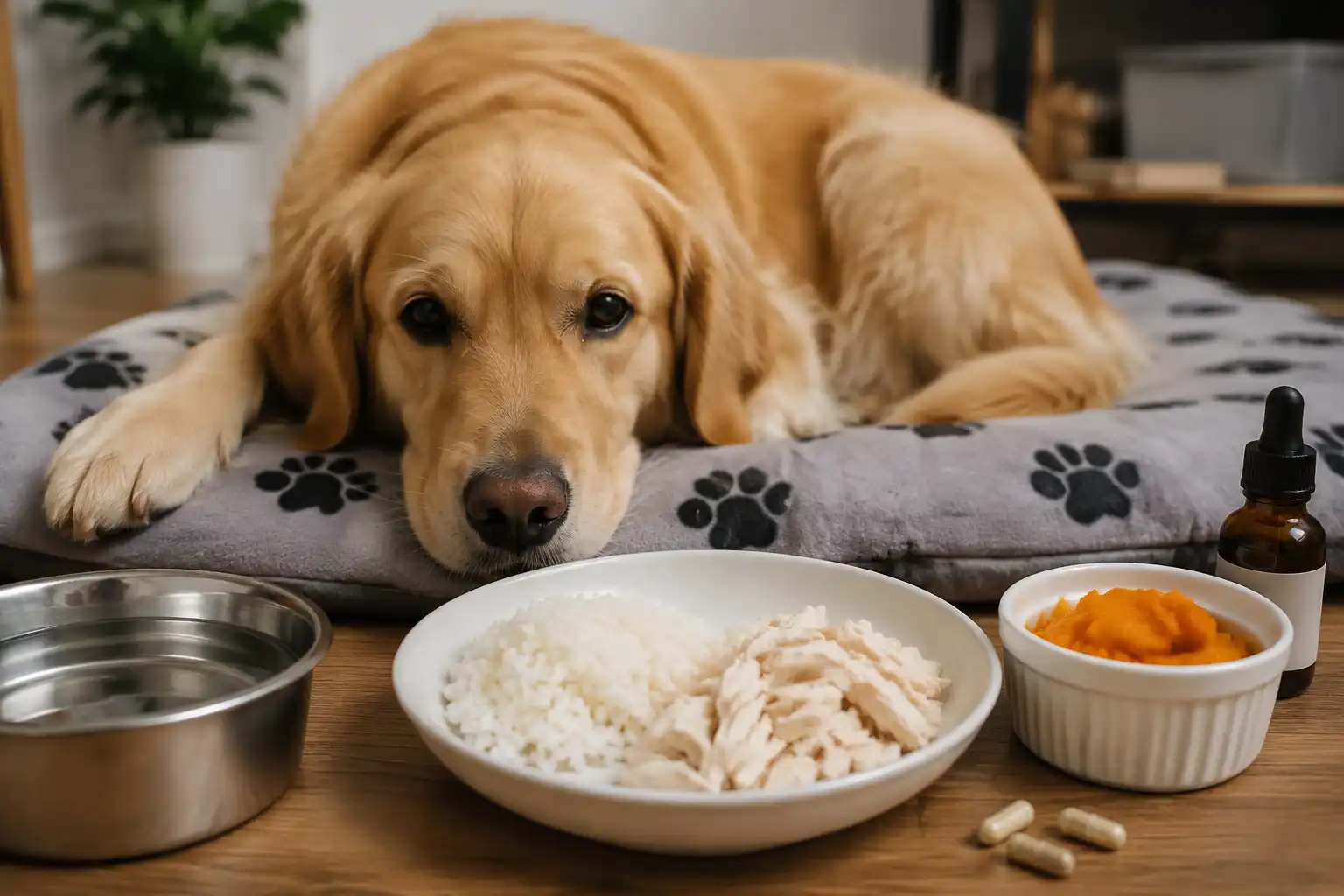
2. Plain Boiled Chicken and Rice (The Bland Diet)
This is the gold-standard home remedy for a reason.
How to prepare it:
- Boil skinless, boneless chicken breast in plain water — no salt, oil, or seasoning
- Boil plain white rice
- Mix in a 2:1 ratio — two parts rice to one part chicken
- Feed small portions, several times a day
Skip this if your dog has a known chicken or grain sensitivity — try boiled lean turkey or lean ground beef instead.
3. Plain Canned Pumpkin (Not Pie Filling)
Pumpkin is a fiber powerhouse for gut health.
- Its soluble fiber helps firm up loose stool
- It can also help with mild constipation, making it a handy pantry staple
- Use 100% plain pumpkin puree — never spiced pie filling
A general guideline is 1 to 4 tablespoons depending on your dog’s size, but check with your vet for the right amount.
4. Dog-Specific Probiotics
Diarrhea throws gut bacteria out of balance.
Probiotics formulated for dogs — with strains like Lactobacillus and Bifidobacterium — can help restore that balance and speed up recovery.
- Choose a product made specifically for dogs, not humans
- Start with a low dose and watch how your dog responds
- Ask your vet which strain suits your dog’s situation
5. Bone Broth or Rice Water
If your dog is a reluctant drinker, this can help with hydration.
- Use plain, low-sodium bone broth — no onion or garlic, both toxic to dogs
- Rice water is the starchy liquid left after boiling plain white rice
- Offer in small amounts throughout the day
6. Vet-Approved Electrolyte Solutions
Diarrhea drains fluids and electrolytes fast.
An unflavored, pet-safe electrolyte solution can help — but only with your vet’s go-ahead, and never a sugary human sports drink.
7. Slippery Elm (Ask Your Vet First)
This herb has a long history in natural pet care for soothing the digestive lining.
Talk to your vet before adding any herbal supplement, especially if your dog is on other medication.
What NOT to Give a Dog With Diarrhea
Just as important as what helps is what to avoid.
- Human anti-diarrheal medication (like Imodium) without vet approval — some can be dangerous for certain breeds and conditions
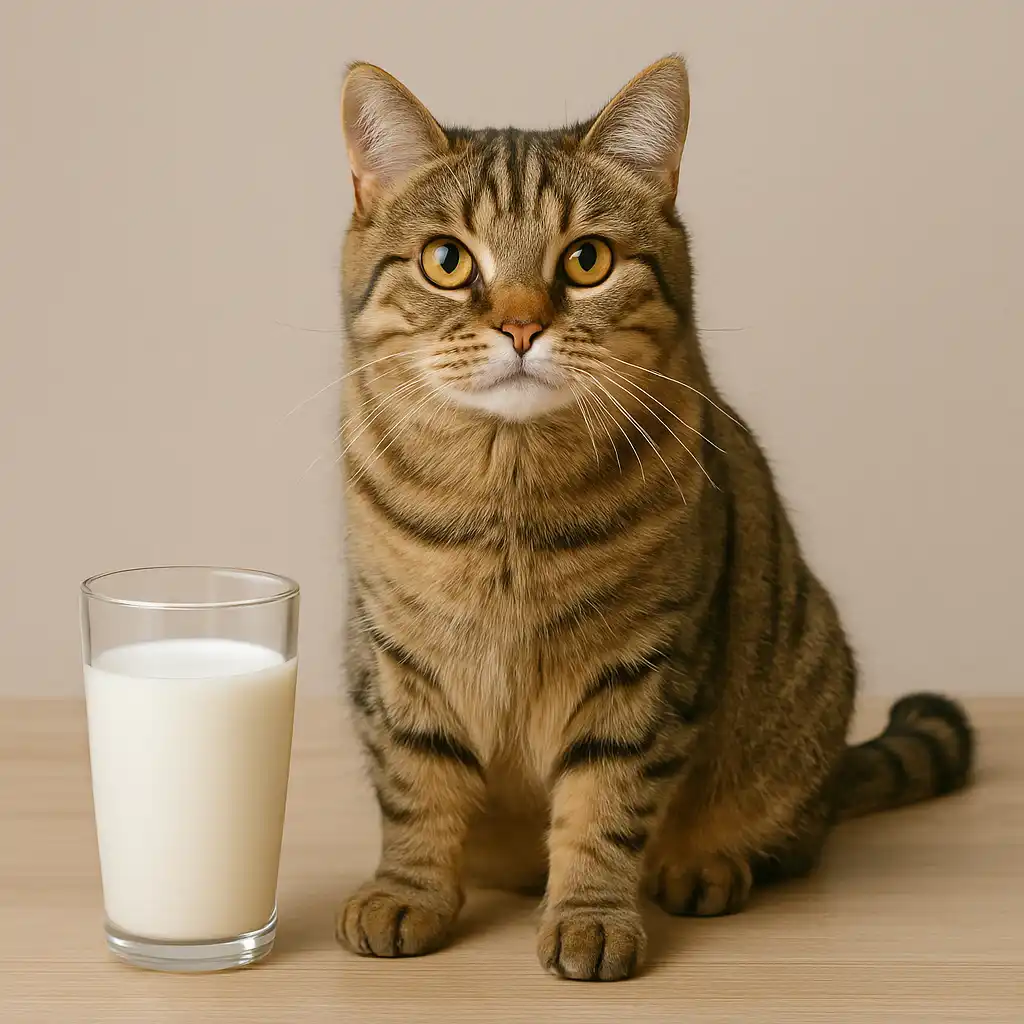
- Dairy products — milk and cheese often worsen diarrhea in dogs
- Fatty, fried, or seasoned foods — high fat can trigger pancreatitis
- Raw bones or table scraps during recovery
- Artificial sweeteners — xylitol is toxic to dogs
- Onion, garlic, or heavily seasoned broths
When in doubt, leave it out — and call your vet.
When Home Remedies Aren’t Enough: Warning Signs to Watch For
Call your veterinarian immediately if you notice:
- Blood in the stool or black, tarry stool
- Repeated vomiting alongside diarrhea
- Lethargy or weakness
- Fever
- Refusal to drink water or signs of dehydration, such as dry gums or sunken eyes
- Diarrhea lasting more than 48 hours
- Diarrhea in a puppy, senior dog, or dog with an existing illness
- Suspected poisoning or toxin ingestion
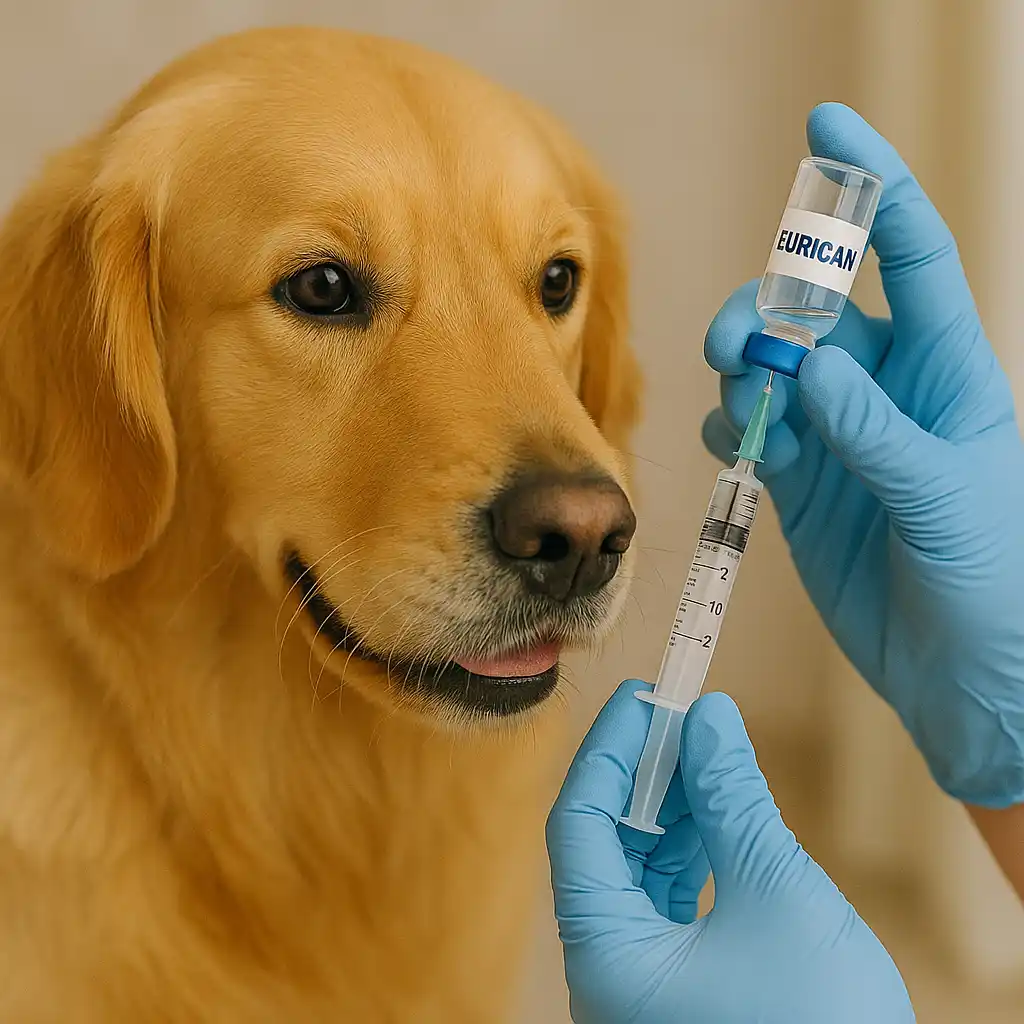
Puppies and senior dogs can dehydrate dangerously fast, so don’t wait it out with them. Our emergency vet care team is equipped to see cases like this the same day, so you’re never left guessing when time matters most.
How to Reintroduce Regular Food After Diarrhea
Once stool starts firming up, transition slowly.
- Continue small, frequent bland-diet meals for 2 to 3 days
- Gradually mix in your dog’s regular food, a little more each meal
- Watch stool consistency as you increase the ratio
- Return to full regular food only once stools are consistently normal
Rushing this step is one of the most common reasons diarrhea comes right back.
How to Help Prevent Future Episodes
A little prevention goes a long way.
- Introduce new foods gradually, over 5 to 7 days
- Keep your dog away from garbage, compost, and food scraps
- Stay current on deworming and parasite prevention
- Schedule regular check-ups to catch issues early
- Avoid sudden treat overload, especially rich or fatty snacks
- Manage stress during travel, boarding, or big household changes
Frequently Asked Questions
How long does dog diarrhea usually last?
Mild cases often resolve within 24 to 48 hours with home care. If it continues longer, it’s time to see a vet.
Can I give my dog yogurt for diarrhea?
Small amounts of plain, unsweetened yogurt may help some dogs, but many dogs are lactose-sensitive, so dog-specific probiotics are usually the safer choice.
Is rice or plain pasta better for a dog with diarrhea?
Plain white rice is generally easier to digest and is the most commonly recommended option in a bland diet.
Should I withhold water if my dog has diarrhea?
No. Never restrict water. Dehydration is one of the biggest risks with diarrhea, especially in puppies and seniors.
When should I stop home treatment and see a vet?
If diarrhea lasts more than 48 hours, contains blood, or is paired with vomiting, lethargy, or appetite loss, stop home care and book a vet visit right away.
Final Thoughts
Most mild cases of dog diarrhea can be managed at home with a bland diet, hydration, and a little patience.
But your dog can’t tell you when something is seriously wrong, so watching for warning signs matters just as much as knowing the remedies.
When symptoms persist, worsen, or your instinct says something’s off, trust it. Booking a routine pet health check-up afterward is also a smart way to confirm your dog has fully recovered and catch any underlying cause before it becomes a repeat problem.
For more on what makes consistent, quality care so important, take a look at our earlier post on why pet owners choose Pets Oasis for advanced pet care in Abu Dhabi.
This article is for general educational purposes and isn’t a substitute for professional veterinary advice. Always consult your veterinarian about your dog’s specific symptoms and treatment plan.